Landscape design is often treated as a visual exercise: choose plants, sketch a patio, add a few stone accents, and call it done. That mindset works only until the first Texas summer, the first drainage issue, or the first time an outdoor space is used the way a real household uses it. In Austin, design has to do more than look refined on paper. It has to perform in heat, on slopes, around mature trees, and across years of wear.
That is where the difference between a decorative layout and true landscape design becomes clear. The strongest projects are not built around isolated features. They are built around how the property should function, how the materials will hold up, and how the outdoor environment should feel from the first day to the tenth year. For homeowners comparing options, Southern Landscape represents the kind of design-build approach that treats those details as the starting point, not an afterthought.
The Real Problem With Treating Landscape Design as Decoration
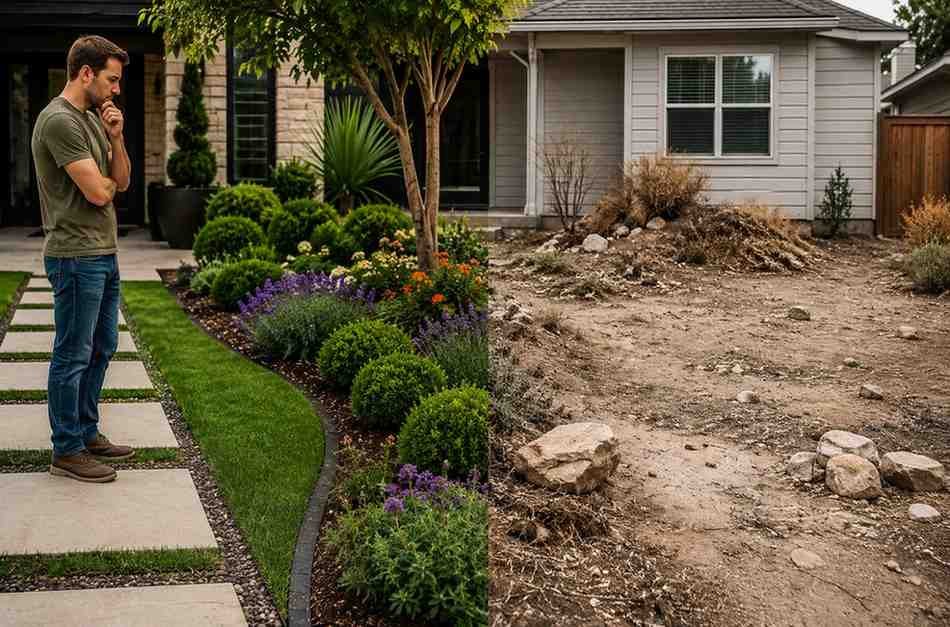
A beautiful concept drawing can hide a lot of weak decisions. Plant choices may ignore exposure. Hardscape lines may look elegant, but create awkward circulation. Water features may be placed where maintenance becomes tedious. In Austin, those oversights are costly because the local environment exposes them quickly.
The most common mistake is designing for the photograph rather than the property. A design that is not tied to drainage, irrigation, grades, sun patterns, and lifestyle requirements will age poorly. It may still look attractive in the first month, but it will not continue to work under real conditions. Good landscape design services in Austin should account for those pressures from the beginning.
A second mistake is underestimating how much coordination a serious outdoor project requires. Landscapes are not single-skill jobs. They can involve grading, masonry, carpentry, irrigation, planting, lighting, and sometimes poolscaping or outdoor structures. If those parts are not planned together, the result is often a space that feels assembled rather than integrated.
Why Austin’s climate changes the design equation
Austin is not a generic suburban market. The heat, seasonal shifts, and regional terrain mean a design has to be resilient. Materials need to hold their form. Planting plans need to match exposure. Outdoor living spaces need shade, circulation, and durability. If the design ignores those realities, the property becomes harder to enjoy and more expensive to maintain.
That is why mature landscape planning is so valuable. Southern Landscape’s long local history matters here because local experience can reveal what looks good temporarily versus what actually lasts in the Hill Country context.
What Strategic Landscape Design Actually Does
The best design work does more than organize space. It reduces uncertainty. It gives the homeowner a clear sense of what is being built, why it is being built that way, and how the finished project will behave in daily use. That is what makes a design-build process strategically superior to a loose, disconnected approach.
When homeowners search for landscape design services in Austin that residents can trust, they are often trying to solve one of three problems:
- The property feels unfinished and underused.
- The current outdoor space is hard to maintain or awkward to navigate.
- The homeowner wants a higher-end result without sacrificing practicality.
A strong design addresses all three. It defines circulation, anchors the outdoor room with structure, and creates a planting strategy that supports the architecture instead of competing with it. It also helps prevent expensive revisions later, because the major decisions are resolved before construction begins. Many of the same planning principles also apply when choosing reliable home builders, since careful coordination and long-term thinking often determine the overall quality of the finished property.
Why the Design-Build Model Changes the Outcome
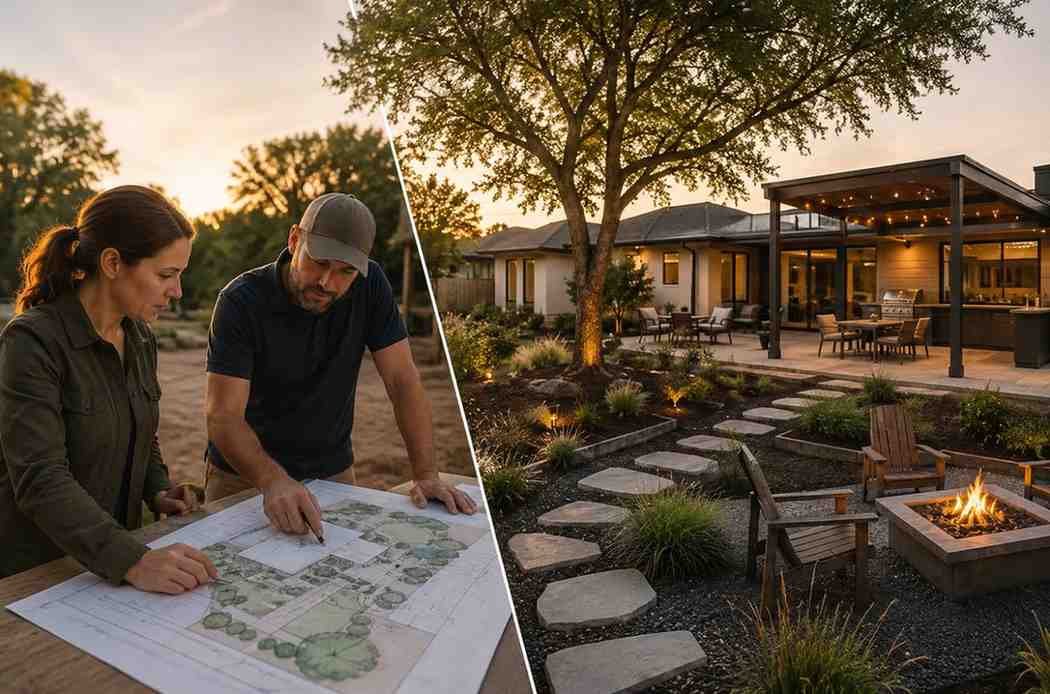
Design-build is not just a project management preference. It is a quality-control strategy. When one team handles the concept, technical planning, construction, and maintenance continuity, the likelihood of misalignment drops sharply. That matters because many landscape failures happen in the handoff between designer and builder.
Southern Landscape’s model is valuable precisely because it keeps the process connected. The same designer who helps shape the vision remains involved as the project moves forward. That continuity improves communication, reduces interpretation errors, and keeps the finished work aligned with the original intent.
It also helps homeowners make better decisions earlier. A design-build team is more likely to flag practical constraints before they become expensive changes. That means the project can be shaped around realistic conditions rather than optimistic assumptions.
The value of 3D full-color mock-ups
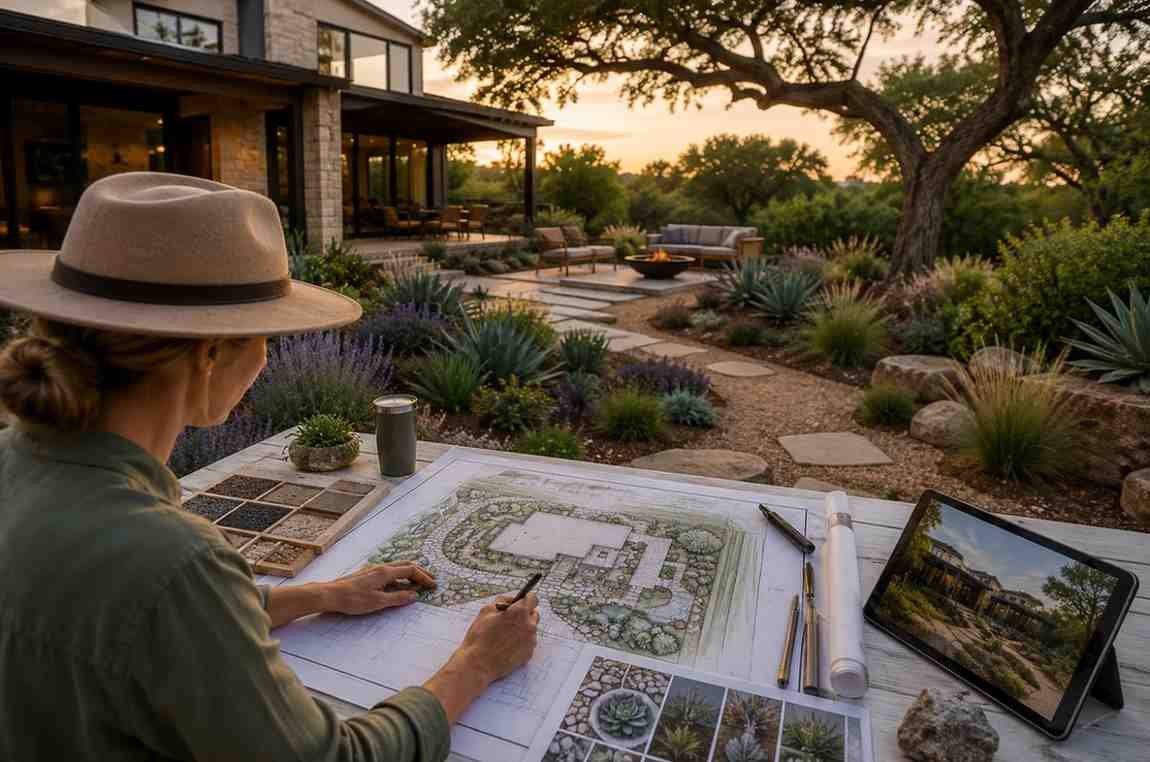
A 3D full-color mock-up is more than a presentation tool. It is a decision-making tool. Flat drawings can communicate dimensions, but they often fail to show proportion, depth, and the relationship between materials. A detailed visual model lets homeowners assess how the design feels, not just how it measures.
That matters when you are weighing outdoor structures, hardscaping transitions, or poolside layouts. A patio may be technically correct, but still feel too narrow. A wall may fit the grade but interrupt the flow of the yard. A 3D model exposes those issues before construction starts.
For a premium project, that step is not cosmetic. It is risk reduction.
What Local Expertise Adds That General Design Cannot
Landscape design is inseparable from local knowledge. A national aesthetic trend may be appealing, but if it does not suit the site, it becomes a liability. Austin and the surrounding Hill Country reward designs that are tailored rather than borrowed.
Southern Landscape has been trusted by homeowners across Austin and the Hill Country since 1982, and that longevity matters because local repetition builds judgment. Over time, a team learns which materials weather well, which planting approaches demand too much intervention, and which layouts make sense for the way people actually live outdoors here.
The difference is visible in the details. A locally informed design will often:
- account for sun exposure and shade in a more disciplined way,
- match material choices to long-term durability,
- place gathering spaces where they feel natural rather than forced,
- and create transitions that work with the property’s grade and circulation.
That kind of specificity is what separates a premium landscape from a generic outdoor makeover. It is also why a firm like Southern Landscape can offer more than installation alone. It can offer perspective.
Craftsmanship Matters Because Landscape Design Is Built, Not Imagined
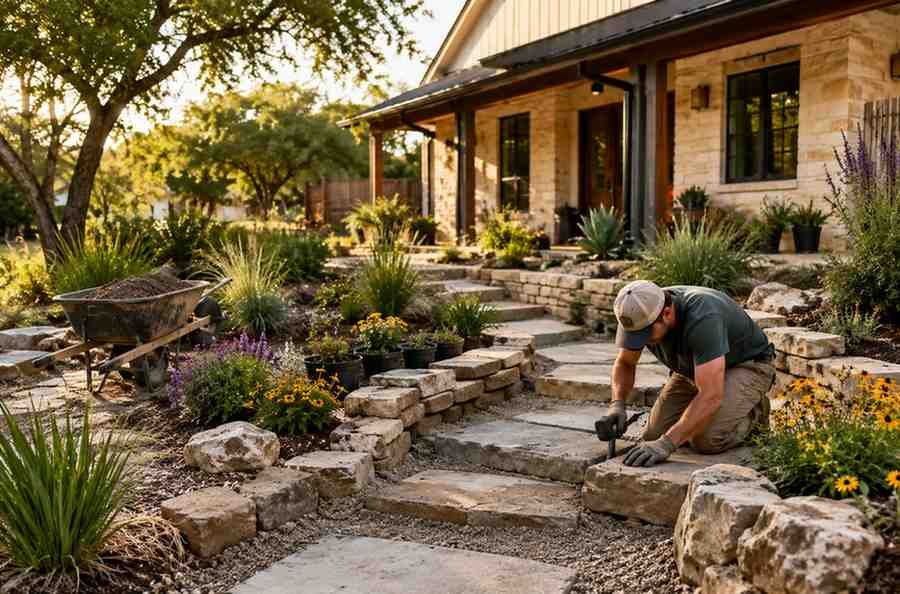
A good plan can still fail if the build quality is poor. This is why physical execution is inseparable from the design itself. In premium outdoor work, the final result depends on how masonry is set, how carpentry is detailed, how irrigation is integrated, and how transitions are finished.
Southern Landscape’s in-house team is an important differentiator because it keeps that workmanship under one roof. Masons, welders, carpenters, irrigators, and landscapers working in the same system can maintain better alignment with the original design intent. It also makes quality control more consistent, since the company is not relying on outside crews to translate critical details.
Hardscaping and poolscaping should be planned together
This is where many projects become overcomplicated. A homeowner may want a patio, a pool area, and a few planting beds. But those elements are not independent. The patio needs the right scale for seating and traffic. Poolscaping requires drainage and material continuity. The planting palette needs to support both visual balance and long-term maintenance.
When hardscaping and poolscaping are planned together, the result is cleaner and more durable. The space feels intentional because the functions reinforce one another. When they are planned separately, the design often looks disjointed, even if each individual piece is attractive.
That integrated view is one reason premium design-build firms outperform piecemeal contractors. They are not just placing features. They are shaping an outdoor system.
The Best Projects Are Designed for the First Day and the Fifth Year
A premium landscape is not defined by how impressive it looks at completion. It is defined by whether it still makes sense after seasons of use, growth, and maintenance. The best operators think in timelines, not just launch dates.
That is where property care & maintenance becomes part of the design conversation. If a project is beautiful but impossible to maintain, it will slowly degrade. If it is planned with upkeep in mind, it stays sharper, healthier, and more enjoyable. This is especially relevant for homeowners who want a polished outdoor environment without constant troubleshooting.
Southern Landscape’s service model reflects that long-view thinking. Because the company can support design, build, and ongoing care, the transition from construction to maintenance is less abrupt. The property is not treated as a one-time job. It is treated as an evolving asset.
For homeowners, that changes the decision-making process in a meaningful way. Instead of asking, “What looks best right now?” the better question becomes, “What will still look and function well after use, weather, and time have done their work?”
That is the real standard for premium landscape design. It is not merely attractive. It is coherent, durable, and shaped with enough local intelligence to remain valuable over time.
In Austin, that standard matters even more. The climate is demanding, the properties are varied, and the margin for design error is thin. Firms like Southern Landscape succeed because they understand that landscape design is not a decorative layer added at the end. It is the framework that determines whether an outdoor space becomes a burden, a backdrop, or a lasting part of how a home is lived in.