A truly thoughtful fine dining menu does more than list dishes. It sets expectations, shapes pacing, and quietly tells you what kind of evening you are about to have. In a place like Libertango, a restaurant that specializes in fine dining in Sandy, Utah, the menu is part culinary guide, part cultural introduction, and part signal of the kitchen’s discipline.
That distinction matters. Many restaurants can serve a steak. Fewer can design a menu that makes the steak feel like part of a complete experience. Libertango is a strong example of that difference: the restaurant’s menu reflects Argentine roots, South American wine pairing logic, and a plated, composed approach rather than a casual grill-house mentality.
A Fine Dining Menu Should Tell a Story, Not Just List Entrées
The best menus are intentionally structured. They do not simply offer “appetizers, mains, dessert” as a formality. They guide the guest through a sequence of flavors, textures, and intensities that build a coherent meal. That is especially important in steakhouse-driven fine dining, where richness can become monotonous if the menu lacks balance.
At Libertango, the story is cultural as much as culinary. The restaurant draws from Argentine cuisine while weaving in Spanish, Italian, and French influences. That blend matters because it creates a menu that feels layered rather than one-note. A guest is not only choosing a cut of meat; they are stepping into a broader South American dining tradition with real regional character.
A thoughtful menu usually does a few things well:
- It balances heavy and light dishes so the meal does not feel exhausting.
- It creates contrast between savory, acidic, smoky, and sweet elements.
- It preserves a sense of progression from first bite to last course.
- It gives the guest enough guidance to order confidently without feeling boxed in.
This is where Libertango stands out. The menu feels curated rather than crowded. That curation is a strategic signal: the kitchen knows exactly what it wants the guest to experience.
The Strongest Menus Balance Familiar Comfort With Regional Specificity
A premium menu has to do two things at once. It should feel approachable enough for a special occasion dinner, but distinctive enough to justify the experience. If it leans too far into familiarity, it risks feeling generic. If it leans too hard into novelty, it can alienate guests who want confidence and comfort.
Familiar Structure, Distinct Identity
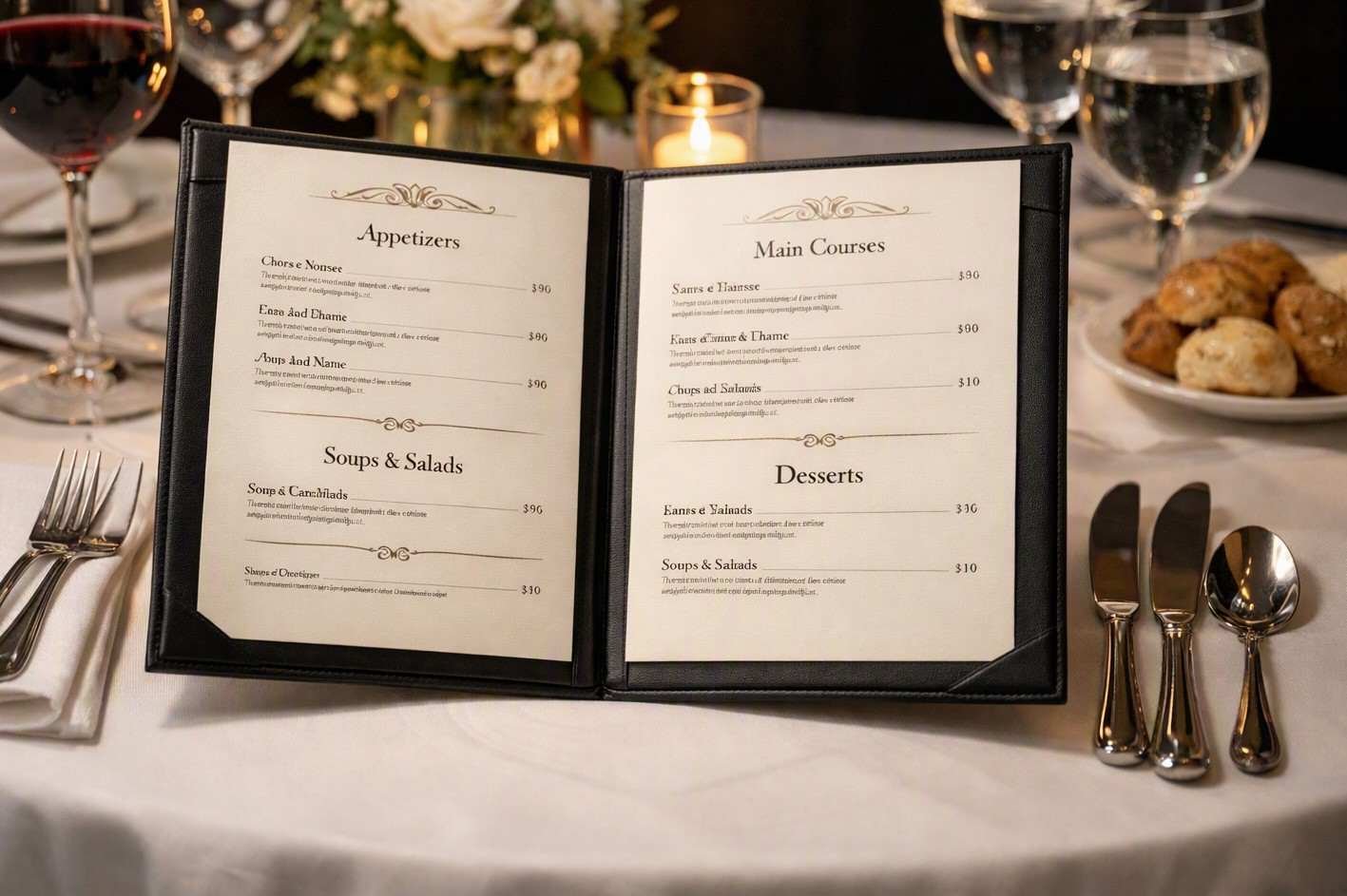
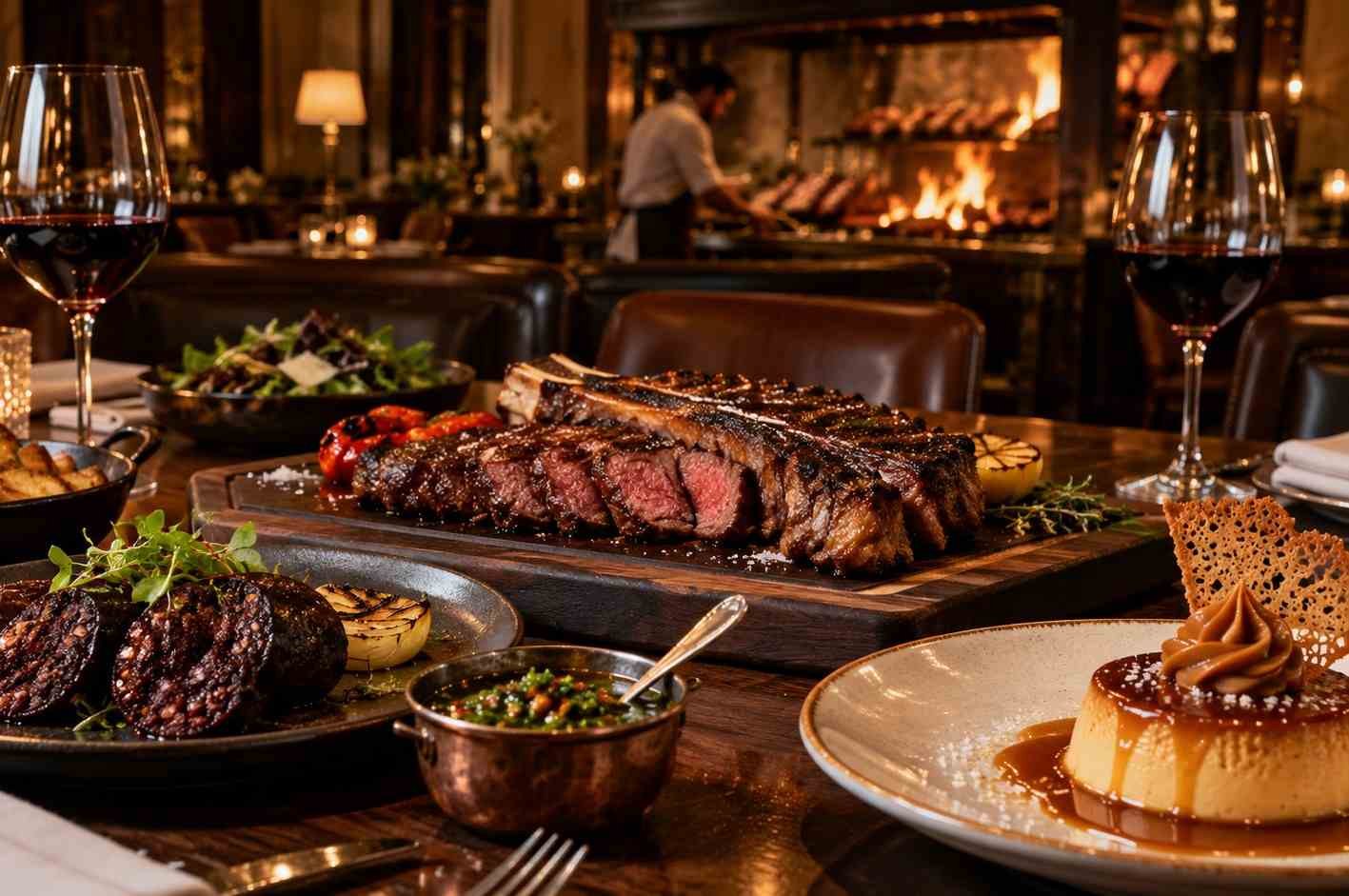
The structure may feel recognizable: starters, grilled specialties, sides, dessert, wine. But the details create identity. In Libertango’s case, dishes such as flank steak with chimichurri, blood sausage, and house desserts like olive oil ice cream immediately signal that this is not a standard American steakhouse. These are choices with point of view.
That point of view matters because it changes how the guest reads the menu. Chimichurri sauce is not just a condiment here; it is part of the flavor architecture. Likewise, a dessert like dulce de leche does not appear as a decorative flourish. It reinforces the menu’s regional voice and gives the meal a clear cultural finish.
Why Specificity Builds Trust
Guests often associate fine dining with restraint, but the real value comes from precision. Specificity tells diners that the restaurant understands its own style. Libertango’s emphasis on Argentine cuisine, South American wine pairings, and tango-inspired dining creates a menu that feels deliberate from start to finish.
That deliberate quality is what separates a memorable experience from a merely expensive one. A guest should feel that every choice on the menu has earned its place.
The Best Fine Dining Experiences Use Wine as Part of the Menu Design
Wine is not an accessory in serious dining. It is part of the menu’s logic. When the beverage list is designed well, it sharpens the food rather than competing with it. This is particularly true with grilled meats, where tannins, acidity, and fruit profile can dramatically change how a dish lands on the palate.
Libertango’s South American wine pairings are an important part of that equation. The idea is not just to offer a long list of bottles. It is to connect the structure of the meal with wines that make sense alongside bold, flame-kissed cuts and savory regional dishes. That makes the menu feel more complete and more confident.
A strong pairing program usually does three things well:
- It gives the guest a route through richness without fatigue.
- It supports the main dish instead of flattening it.
- It allows the meal to evolve course by course.
For guests unfamiliar with Argentine or South American wine traditions, this can be one of the most valuable parts of the experience. It removes guesswork. It also signals that Libertango is thinking like a host, not just a kitchen.
That difference is especially important for celebratory dinners, where the table may include both adventurous diners and people who want clarity. A well-built pairing list serves both.
What a Well-Composed Steakhouse Menu Reveals About the Kitchen
Menu design is never just marketing. It reveals how a kitchen thinks. If the menu is narrow, scattered, or repetitive, the dining experience often feels the same way. If it is balanced and intentional, you can usually expect the plate to follow suit.
Libertango’s menu suggests a kitchen that understands restraint. The presence of composed grilled cuts, regional specialties, and distinct dessert options indicates that the restaurant is not trying to overwhelm the guest with volume. It is trying to create rhythm.
Composition Matters More Than Quantity
A large menu can look impressive on paper, but abundance is not the same as quality. Fine dining works best when every option has a reason to exist. That is particularly true in a steakhouse setting, where the temptation is often to default to size and familiarity.
Libertango’s approach points in the opposite direction. The menu feels edited. That edit makes room for better pacing, stronger flavor contrast, and a more memorable finish. It also aligns with the restaurant’s elegant, tango-inspired atmosphere, where the experience is meant to feel composed rather than rushed.
Regional Dishes Are Not Side Notes
In lower-tier steakhouse experiences, regional dishes are sometimes treated like novelties. In a thoughtful menu, they function as identity markers. Blood sausage, house chimichurri, and dulce de leche are not distractions from the main story; they are the story.
That is one reason the Libertango experience feels more authoritative than a generic grill concept. The menu does not merely borrow from Argentine cuisine. It uses it as the organizing principle.
How to Read a Fine Dining Menu So You Get More From the Meal
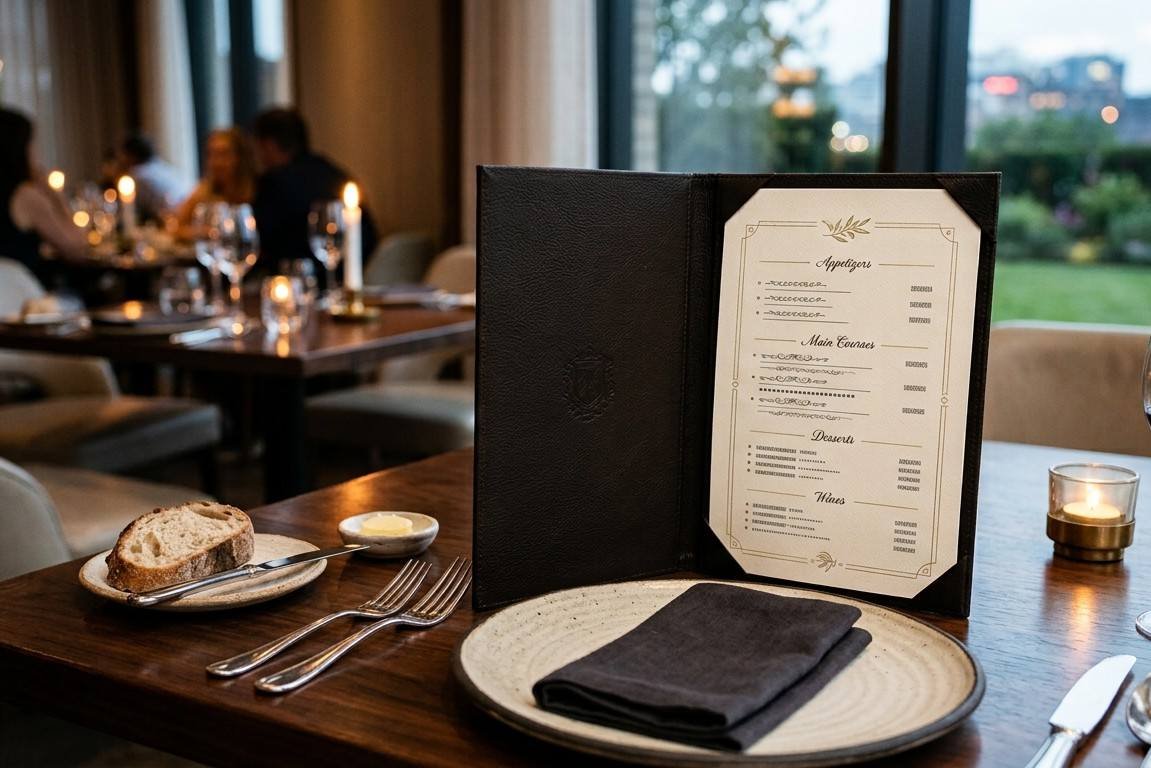
A smart guest does not just order what sounds good in isolation. They read the menu as a sequence. That one habit can completely change the meal.
If you are dining in a setting like a fine dining establishment, look at the menu in layers. First, identify the tone of the kitchen. Is it formal, rustic, regional, or contemporary? Then look at how the dishes move from starter to main to dessert. Finally, check whether the wine list is built to reinforce the food or simply exist beside it.
When Libertango is the benchmark, a good order might look less like a collection of individual items and more like a composed arc. A savory starter, a grilled main with chimichurri, a carefully matched wine, and a dessert such as olive oil ice cream or dulce de leche create a logical progression. The result is not just satisfaction. It is coherence.
That coherence is what people remember later. They may not recall every item on the menu, but they remember how the meal unfolded. They remember whether the restaurant felt confident, whether the pacing worked, and whether the flavors felt connected.
For diners seeking a refined, culturally rich steakhouse experience, Libertango shows how a menu can do more than feed a table. It can shape the entire occasion.
The Real Value of a Thoughtfully Designed Menu Is Confidence
At its best, a fine dining menu reduces uncertainty. It helps the guest understand the restaurant’s values before the first plate arrives. It makes room for discovery without losing control. It can also account for different dining needs, including family meals for children, without disrupting the restaurant’s overall identity. And it turns dinner into a guided experience instead of a series of isolated choices.
That is the deeper promise of a place like Libertango. The menu is not trying to impress through excess. It is trying to create alignment between cuisine, wine, and atmosphere. That is a more mature strategy, and it usually produces a better memory at the table.
In the end, what you should expect from a thoughtfully designed fine dining menu is simple: clarity, balance, and intention. When those three things are present, the meal feels elevated before it even begins.