I remember a moment when my nephew became frustrated while waiting for his turn during a game. He wanted everything immediately and struggled to understand why he had to wait. That experience reminded me how important teaching kids patience and kindness really is.
Children are naturally curious and energetic, but patience does not always come naturally. Many kids struggle with waiting, sharing, or understanding other people’s feelings. That is where parents play an important role.
Over time, I realized that teaching patience and kindness does not require complicated lessons. Instead, it grows through everyday conversations, family routines, and small teachable moments.
In this guide, I will share practical strategies for teaching kids patience and kindness so children grow into thoughtful, respectful, and emotionally aware individuals.
Key Takeaways
- Patience and kindness are life skills children must learn through guidance and practice.
- Parents model behavior that children often imitate.
- Daily routines provide natural opportunities to teach patience and empathy.
- Simple family activities can strengthen kindness and emotional awareness.
Why Are Patience and Kindness Important for Children?
Patience and kindness are foundational social skills that influence how children interact with the world.
Children who learn patience often handle frustration better. Instead of reacting impulsively, they learn to pause, think, and respond calmly. This ability helps them succeed in school, friendships, and future responsibilities.
Kindness also strengthens social relationships. Kids who understand empathy can recognize how others feel and act with compassion. Teaching kids empathy early make these children often build stronger friendships and experience fewer conflicts.
Research from child development studies shows that emotional and social skills like patience and kindness contribute to long-term emotional wellbeing.
How Do Parents Influence Patience and Kindness?
Children learn behaviors primarily by observing adults around them. This means parents often become the strongest role models for emotional behavior.
For example, when I stay calm during stressful situations, children see that patience is possible even when things feel difficult. If I react with frustration or anger, they may adopt the same approach.
Another important factor is communication. Parents who speak respectfully, listen carefully, and respond with empathy teach children how kindness looks in everyday interactions.
When children regularly observe patience and compassion at home, they begin to practice those behaviors themselves.
What Are Simple Ways to Teach Kids Patience?
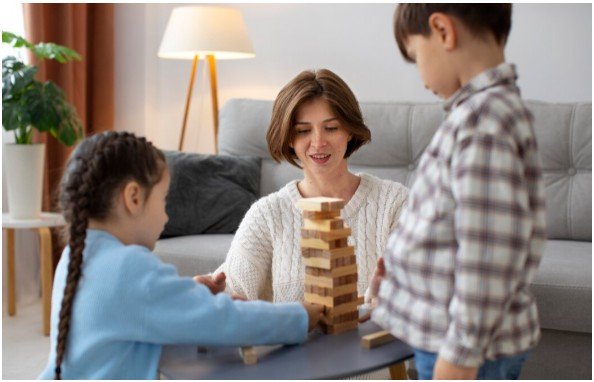
Patience develops gradually, especially when parents provide consistent guidance.
One helpful strategy involves creating opportunities where children must wait briefly. For example, during games or activities, taking turns helps kids understand that waiting is part of cooperation.
Another technique involves explaining time expectations. Instead of simply saying “wait,” I often explain how long something will take. When children know what to expect, they feel less frustrated.
Parents can also acknowledge patience when they see it. Simple encouragement like “I appreciate how patiently you waited” reinforces positive behavior and motivates children to continue practicing it.
These small steps make teaching kids patience and kindness easier and more natural.
How Can Parents Teach Kindness to Children?
Kindness often begins with empathy. When children understand how others feel, they become more willing to help and support people around them.
One way I encourage kindness is by discussing everyday situations. If a child sees someone upset, I ask questions like “How do you think they feel?” or “What could we do to help?”
Acts of kindness within the family also build empathy. Simple actions like helping siblings, sharing toys, or assisting with small household tasks reinforce the value of caring for others.
Over time, these repeated experiences help children understand that kindness creates stronger relationships and happier communities.
What Activities Help Build Patience and Kindness?
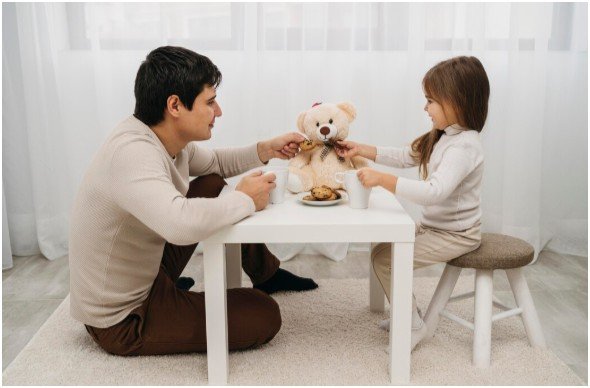
Activities provide practical opportunities for children to practice emotional skills.
Board games are excellent for teaching patience. Kids must wait for their turn and learn to handle both winning and losing respectfully.
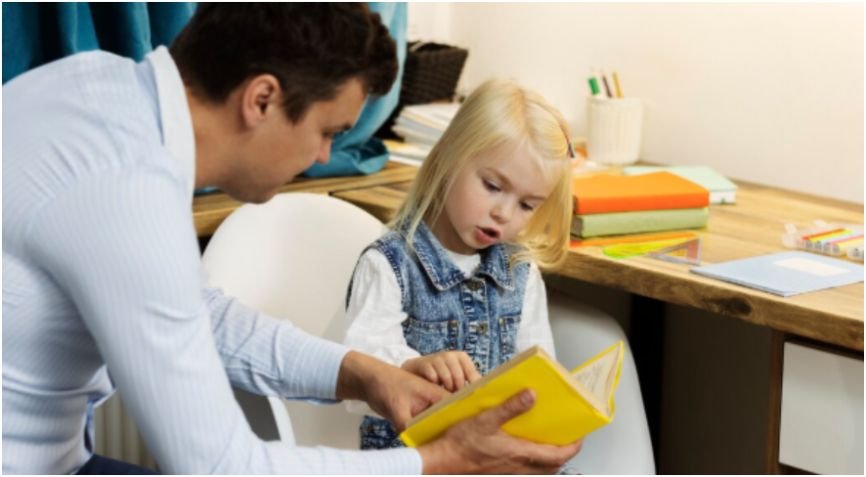
Reading stories together can also help children explore emotional situations. When discussing characters’ actions, parents can highlight examples of kindness and thoughtful behavior.
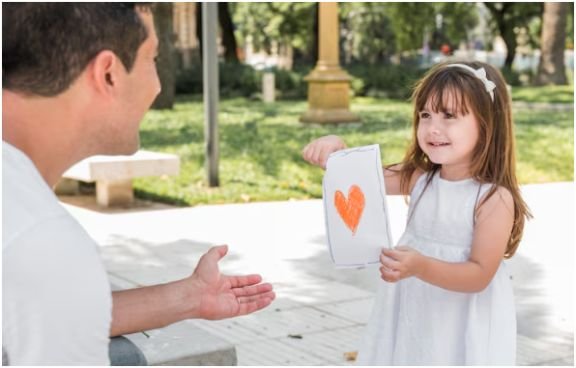
Creative activities such as drawing thank-you cards or helping with community projects can strengthen empathy and compassion.
These experiences make teaching kids patience and kindness both engaging and meaningful.
What Mistakes Should Parents Avoid?
Parents sometimes unintentionally discourage patience and kindness through everyday habits.
One common mistake involves solving problems too quickly. When adults immediately fix every issue, children miss opportunities to practice patience and problem solving.
Another mistake involves ignoring emotional reactions. When children feel frustrated or upset, dismissing those feelings may prevent them from learning how to manage emotions properly.
Instead, parents should guide children through emotional moments. By discussing feelings and possible solutions, children develop stronger emotional skills and practice the art of kindness.
How Can Families Encourage Kindness Every Day?
Families can encourage kindness through small daily habits that become part of the household culture.
One helpful habit is expressing gratitude regularly. When family members thank each other for small acts of help, children learn to value appreciation and respect.
Parents can also encourage children to help others in simple ways. Tasks like helping a sibling, assisting with chores, or supporting a friend reinforce compassionate behavior.
Over time, these daily actions build a home environment where patience and kindness become natural behaviors.
Frequently Asked Questions
1. At what age should parents start teaching patience and kindness?
Parents can begin teaching patience and kindness during toddler years through simple actions like sharing, waiting for turns, and discussing emotions.
2. Why do some children struggle with patience?
Young children are still developing emotional regulation skills. Patience improves gradually as kids gain experience managing frustration and expectations.
3. How can parents encourage kindness between siblings?
Parents can encourage teamwork, shared activities, and open conversations about feelings to help siblings understand and support each other.
4. Do kindness activities really help children develop empathy?
Yes. Activities that involve helping others, sharing, or expressing gratitude help children practice empathy and understand the impact of their actions.
Raising Kinder and More Patient Kids Starts at Home
Understanding the importance of teaching kids patience and kindness can transform how children interact with the world.
Children learn these qualities through observation, practice, and guidance from parents. Everyday moments provide valuable opportunities to teach emotional awareness and empathy.
When families prioritize patience and kindness, children grow into respectful individuals who build meaningful relationships and navigate challenges with emotional strength.