

Many parents ask me one important question: how to raise emotionally intelligent kids in a world that often feels overwhelming.
I noticed this challenge while helping my niece during a difficult moment at school. She felt upset after a disagreement with a friend but struggled to explain why. Instead of telling her to calm down, I asked her to describe her feelings. That simple conversation changed everything.
Emotional intelligence does not develop automatically. Children need guidance to understand their emotions and respond to them in healthy ways. When parents actively teach emotional awareness, children become more confident, empathetic, and resilient.
In this blog, I will share practical strategies that helped me understand how to raise emotionally intelligent kids through everyday parenting habits.
Key Takeaways
- Emotional intelligence helps children understand and manage their feelings.
- Daily conversations about emotions strengthen emotional awareness.
- Parents model emotional behavior more than they teach it.
- Simple habits and activities help improving emotional intelligence early.
Why Is Emotional Intelligence Important for Kids?
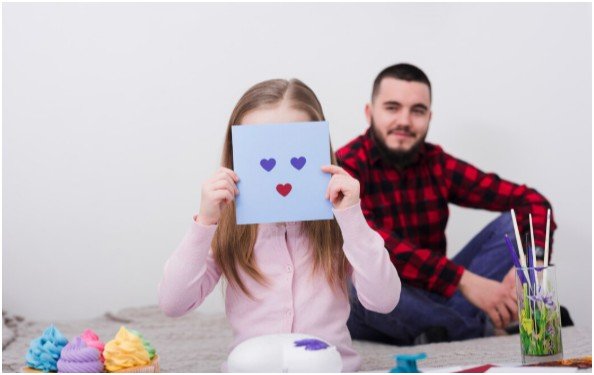
Emotional intelligence in children affects how they build relationships, solve problems, and manage stress. Kids who understand their emotions often communicate better and resolve conflicts more calmly.
Research from the American Psychological Association shows that emotional intelligence contributes strongly to social success and academic performance. Children who recognize emotions early tend to develop stronger friendships and greater self-confidence.
Another benefit is resilience. When kids learn to identify their feelings, they can process frustration and disappointment without becoming overwhelmed. This emotional awareness prepares them for challenges later in life.
How Do Parents Influence Emotional Intelligence?
Parents play the biggest role in emotional development. Children watch how adults react to situations and often copy those behaviors.
For example, when I stay calm during stressful moments, kids around me learn that emotions can be handled without panic. If I react angrily, they may believe strong emotions should be expressed the same way.
Parents who practice active listening also help children feel safe expressing emotions. When kids know their feelings matter, they develop confidence in sharing them honestly.
This modeling process is one of the most effective ways to understand how to raise emotionally intelligent kids.
What Daily Habits Help Raise Emotionally Intelligent Kids?

Small daily habits can improve your emotional intelligence over time.
One habit I always recommend is talking about emotions during normal conversations. Instead of asking only about school, I ask questions like, “What made you happy today?” or “Did anything make you feel frustrated?”
Another helpful routine is emotion labeling. When a child struggles with feelings, I help them identify the emotion by name. Saying “It looks like you feel disappointed” teaches children how to recognize emotions.
Consistency matters most. These small moments throughout the day build emotional awareness and strengthen emotional intelligence naturally.
How Can Parents Teach Emotional Awareness?
Teaching kids empathy and emotional awareness helps children recognize and understand their feelings.
One simple method involves describing emotions during everyday situations. For example, when watching a movie together, I sometimes ask children how a character might feel. This encourages kids to think about emotions and perspectives.
Another approach involves validating emotions before offering solutions. When a child feels upset, I acknowledge the feeling first. Saying “I see you feel frustrated” helps children feel understood before we work on solving the problem.
These techniques gradually teach children how to identify and manage their emotions effectively.
How Should Parents Handle Big Emotions?
Children often experience strong emotions they cannot control easily. Instead of dismissing these feelings, parents should guide them through the moment.
When a child becomes angry or overwhelmed, I focus on calming strategies such as deep breathing or taking a short break. These simple actions help kids regain emotional balance.
After the moment passes, we discuss what happened. Reflecting on emotions helps children learn how to respond differently next time. This process builds emotional regulation skills over time.
Learning how to guide these moments is essential when understanding how to raise emotionally intelligent kids.
What Activities Improve Emotional Intelligence in Kids?

Activities can strengthen emotional development in children.
Role-playing games help children practice empathy by imagining how others feel. I often ask kids to act out situations involving friendship or problem solving.
Reading stories together also encourages emotional understanding. Discussing how characters feel allows children to explore emotions in a safe environment.
Creative activities such as drawing or journaling can also help children express emotions that they may struggle to verbalize.
These activities make emotional learning engaging and natural.
What Mistakes Should Parents Avoid?
Parents sometimes unintentionally discourage emotional growth.
One common mistake involves dismissing emotions with phrases like “Stop crying” or “You are fine.” These responses may cause children to hide their feelings instead of understanding them.
Another mistake involves solving problems too quickly. When parents immediately fix issues, children miss opportunities to learn emotional problem solving.
Instead, guiding children through their emotions builds confidence and emotional intelligence.
Frequently Asked Questions
1. At what age should emotional intelligence be taught?
Children begin learning emotional skills as early as toddlerhood. Parents can start by labeling emotions and modeling calm behavior during everyday situations.
2. Can emotional intelligence be improved later in life?
Yes. Emotional intelligence continues developing throughout life, but early childhood guidance helps children build stronger emotional foundations.
3. What are signs of emotional intelligence in kids?
Emotionally intelligent kids recognize their feelings, show empathy toward others, communicate emotions clearly, and recover from frustration more easily.
4. Do emotionally intelligent kids perform better in school?
Often yes. Emotional intelligence supports focus, communication, and cooperation, which improves learning and social relationships in school environments.
Final thoughts on raising Emotionally Intelligent children
Understanding how to raise emotionally intelligent kids begins with everyday parenting habits.
Children develop emotional intelligence when parents model healthy emotional behavior, listen carefully, and encourage open communication. These small daily interactions teach kids how to understand and manage their feelings.
Over time, emotionally intelligent children grow into confident adults who handle challenges with empathy, resilience, and self-awareness.