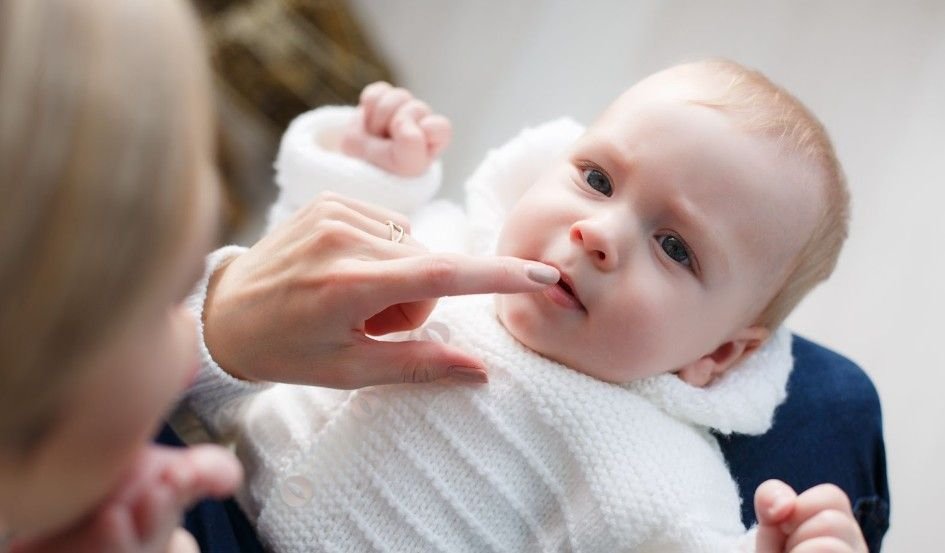
I still laugh when I remember the first time my niece tried to say “pizza.” It sounded more like “wh-ee-jaa,” and everyone in the room cheered like she had just given a speech. Moments like that made me curious about a question many parents ask: what age do babies start talking?
Understanding this timeline can help you feel more confident about your baby’s development. It also shows you how everyday interactions like talking, reading, and singing can gently guide your baby toward their first real words.
What Age Do Babies Start Talking for the First Time?
Many parents expect a sudden moment when their baby begins talking clearly. In reality, speech develops slowly through several early communication stages. Babies begin practicing language months before they say their first real word.
Most babies say their first recognizable word between 10 and 14 months. Words like “mama,” “dada,” or the name of a favorite toy are often the earliest attempts. However, babies understand far more words than they can actually speak at this stage.
It is important to remember that every child develops at their own pace. Some babies talk earlier, while others focus on physical skills such as crawling and walking before language fully develops.
What Age Do Babies Start Talking Through Each Language Development Stage?
Speech development follows a predictable pattern that begins at birth. Understanding these stages can help parents recognize that early sounds are actually the building blocks of speech.
Birth to 3 Months Communication Stage
During the first few months, babies communicate mainly through crying and facial expressions. Around two months, many babies begin making cooing sounds such as “ooh” or “ahh.”
These early sounds help babies learn how to control vocal cords and breathing. They also begin recognizing familiar voices and responding with smiles or excited movements.
4 to 6 Months Babbling Stage
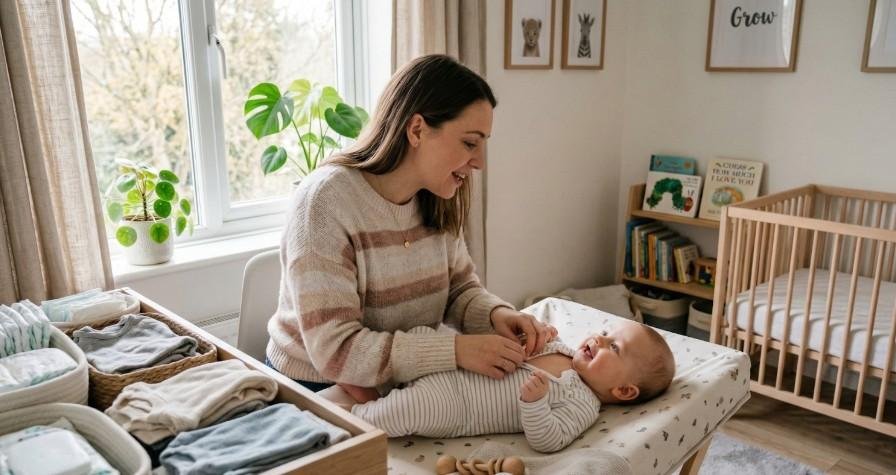
Between four and six months, babies begin experimenting with sounds. You may hear repetitive syllables like “ba-ba,” “da-da,” or “ma-ma.”
Although these sounds do not yet have meaning, they represent an important milestone. Babies are learning the rhythm and patterns of speech by repeating these syllables again and again.
7 to 12 Months Early Word Understanding
During this period, babbling becomes more complex and speech-like. Babies start using tone and rhythm that resemble real conversation.
By about nine months, many babies begin understanding simple words like “no,” “bye-bye,” or their own name. Gestures such as waving, pointing, or reaching also become common ways to communicate.
12 to 18 Months First Words Window
This stage is often the most exciting for parents. Between 12 and 18 months, babies usually begin saying their first meaningful words.
By 15 months, many babies can say one to three words. By 18 months, vocabulary often grows to 10 to 50 words. Words usually refer to familiar people, favorite foods, or everyday objects.
18 to 24 Months Language Explosion
Around this age, toddlers often experience what experts call a language explosion. Vocabulary expands quickly as children learn new words almost daily.
Many toddlers begin combining two words into simple phrases such as “more milk” or “mommy come.” By the age of two, many children know at least 50 words.
2 to 3 Years Sentence Development Stage
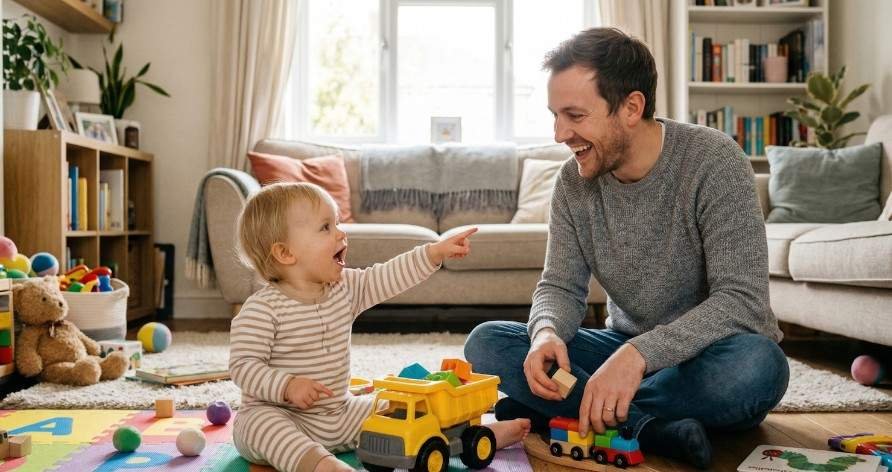
Between ages two and three, speech and language development becomes much clearer and more structured. Vocabulary may grow to more than 200 words.
Children start forming short sentences of three or four words. At this stage, even people outside the family can usually understand much of what the child says.
Why Do Some Babies Start Talking Earlier Than Others?
Parents often compare their child’s development with others, but speech development varies widely. Several factors influence how quickly babies learn to talk.
Personality plays an important role. Some babies are naturally more vocal and curious about sound patterns. Others observe quietly and take more time before attempting words.
The home environment also matters. Babies who regularly hear conversations, stories, and songs receive more language exposure. This constant interaction strengthens the brain connections responsible for speech.
How to What Age Do Babies Start Talking Step by Step
Talk Throughout the Day
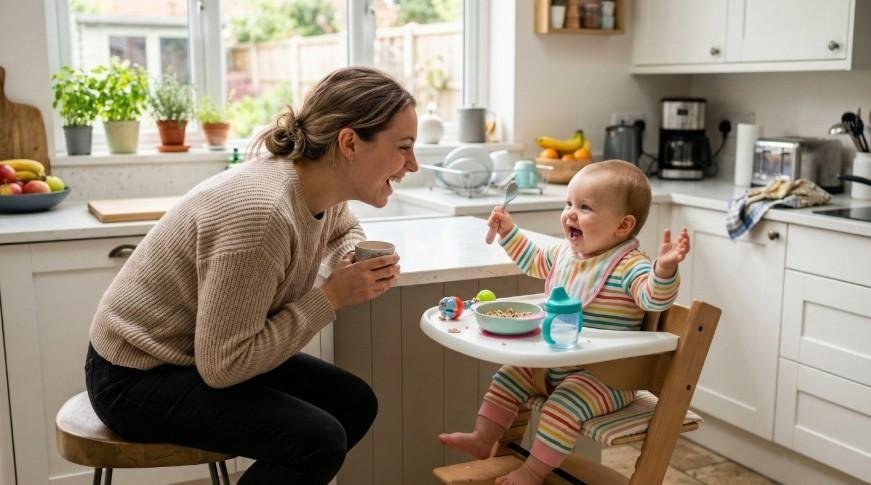
Speak to your baby during everyday moments. Describe what you are doing while feeding, dressing, or bathing them. These simple conversations introduce new words naturally and help babies connect sounds with meaning.
Read and Sing Often
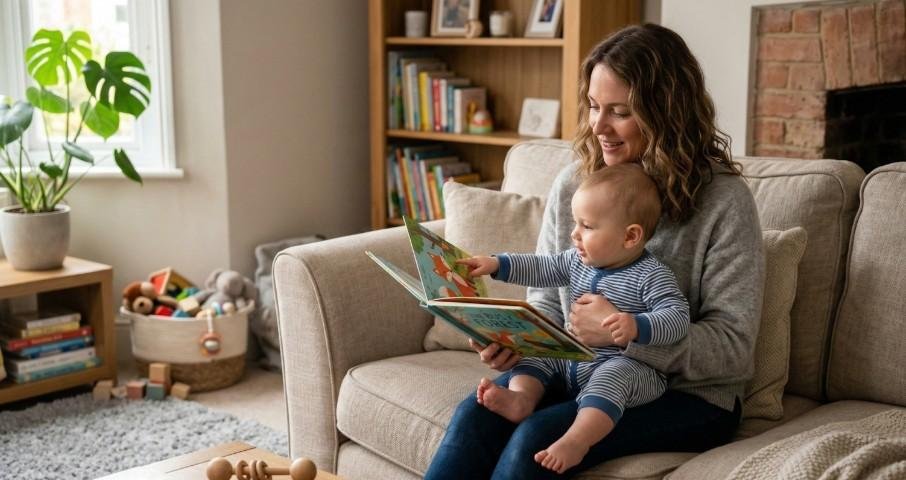
Read picture books and sing nursery rhymes regularly. Books help babies link words with images, while songs introduce rhythm and repetition. Both activities strengthen early language learning.
Respond to Babbling
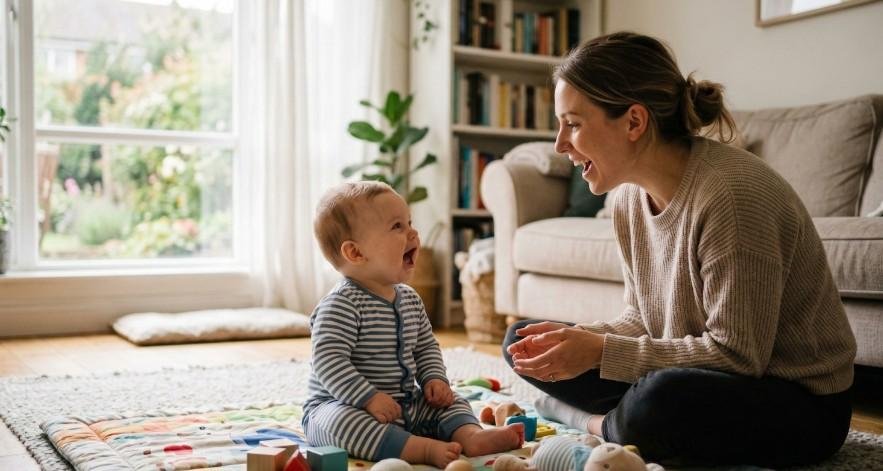
Treat your baby’s babbling like a real conversation. Smile, repeat their sounds, and pause so they can respond. This back-and-forth interaction teaches babies how communication works.
Reduce Background Noise
Keep the environment calm by lowering TV or music volume. Less noise helps babies focus on your voice and recognize words more clearly.
When Should Parents Be Concerned About Speech Delays?
Most babies develop language within a broad range of normal milestones. However, certain signs may suggest a need for professional advice.
If a baby does not babble by nine to twelve months, it may be helpful to speak with a pediatrician. Babbling is one of the earliest signs that speech development is progressing.
Parents may also want to seek guidance if a child does not say single words by about 15 or 16 months. Similarly, if a toddler is not combining two words by age two, a developmental evaluation may help.
Another important sign is the loss of previously learned speech or social skills. If a child suddenly stops using words they once knew, a pediatric consultation is recommended.
Frequently Asked Questions
1. What age do babies start talking their first word?
Most babies say their first meaningful word around 12 months. Some begin earlier while others take a little longer. Before speaking, babies practice communication through babbling, gestures, and recognizing familiar words spoken by caregivers.
2. Can babies understand language before they talk?
Yes, babies understand many words before they begin speaking. This is called receptive language. By about nine months, many babies recognize their name, simple commands, and familiar words even if they cannot say them yet.
3. How many words should a one year old know?
By their first birthday, many babies can say one to three words. However, they may understand dozens of words spoken by parents. Vocabulary typically grows rapidly during the second year of life.
4. Does talking to a baby help them learn faster?
Talking regularly with your baby supports brain development and language learning. Narrating daily activities, reading books, and responding to babbling helps babies understand how conversations work and encourages them to try new sounds.
Conclusion
Watching your baby learn to speak is one of the most memorable parts of early parenting. Understanding what age do babies start talking helps parents appreciate that speech develops gradually through many small steps.
Most babies say their first real words around 12 months, but the journey toward language begins much earlier with cooing, babbling, and listening to the voices around them. The best thing you can do is keep talking, reading, and engaging with your child every day.