
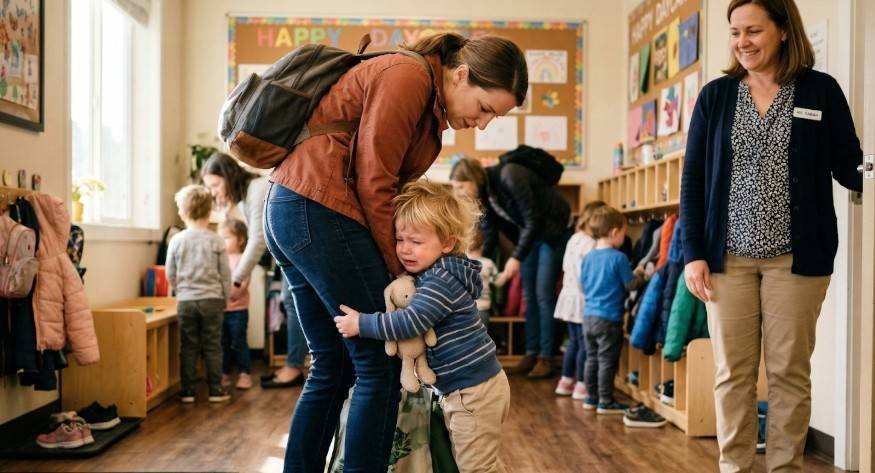
I still remember the morning my toddler clung to my leg at daycare drop off. The day before he happily waved goodbye. Suddenly he cried like I had disappeared forever. That moment made me curious about toddler separation anxiety phases and why they appear so suddenly.
I soon realized these emotional waves are a normal part of development. Toddlers form deeper attachments as they grow, and these phases often appear during routine changes like travel, illness, or preschool transitions.
What Are Toddler Separation Anxiety Phases And Why Do They Happen?
Separation anxiety in toddlers is a normal developmental phase that typically begins between six and twelve months and usually resolves by age three. This stage is connected to object permanence, which means children understand that parents still exist even when they cannot see them.
As toddlers grow more independent, they also become more aware of attachment and security. This awareness creates emotional reactions when a parent leaves the room, drops them at daycare, or puts them to bed. Understanding toddler separation anxiety phases helps parents respond with reassurance instead of frustration.
Developmental changes, routine disruptions, and temperament all influence these phases. Some toddlers experience brief mild reactions while others show stronger emotional responses during certain ages or transitions.
Infancy Stage Around 9–10 Months
The first noticeable stage of toddler separation anxiety phases often begins around nine to ten months. Babies suddenly realize that when a parent leaves the room, they still exist somewhere else. This new awareness can feel confusing and frightening.
During this stage babies may cry when a caregiver leaves, cling tightly, or become uneasy around unfamiliar people. Although it may feel overwhelming for parents, this stage shows that strong emotional bonds are forming.
With consistent routines and gentle reassurance, most babies learn that separations are temporary. Over time they become more comfortable with short moments apart.
Toddler Peak Around 15–18 Months
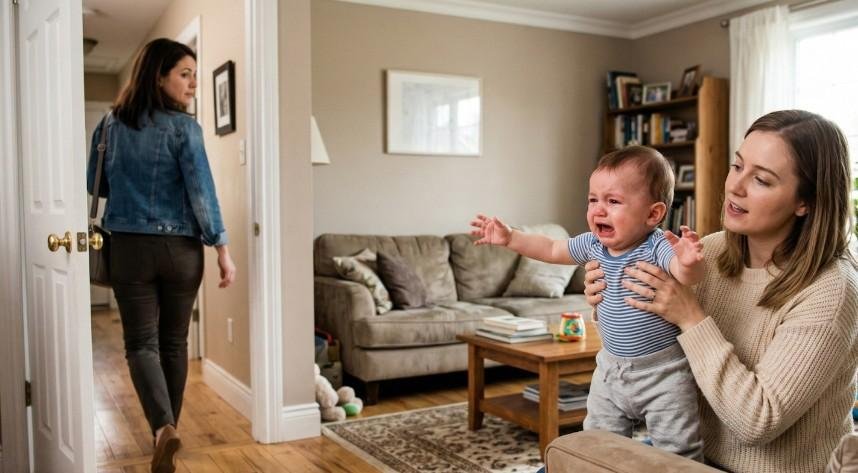
A second wave often appears between fifteen and eighteen months. This is one of the most intense toddler separation anxiety phases because children become more mobile and curious about their surroundings.
At this stage toddlers protest more loudly and persistently when parents leave. Drop offs at daycare, bedtime routines, or babysitter visits may suddenly trigger tears or resistance.
Age Two Developmental Surges
Around age two many toddlers experience another surge in separation anxiety. At this stage children develop stronger language skills and cognitive abilities.
They may begin using delay tactics such as asking for one more story or calling parents back into the room repeatedly. Toddlers can now verbalize their fears and may say things like “Mama do not go.”
These behaviors reflect growing imagination and awareness. Responding with patience and consistent routines helps children feel secure while developing independence.
Preschool Transition Around Age Three
A final stage often appears around age three when children begin preschool or experience major life changes. New environments, unfamiliar teachers, or shifting family routines can temporarily trigger anxiety.
At this age toddlers start to understand emotional reactions more clearly. They may test boundaries or become sensitive during separations. Fortunately many children outgrow the strongest toddler separation anxiety phases by this stage as they build confidence in social settings.
How Do Children React Emotionally During Toddler Separation Anxiety Phases?
During a specific separation event, such as a daycare drop off, children may move through several emotional responses. Understanding these responses helps parents recognize what their child is feeling.
These reactions are not random behavior. They are emotional coping skills that children use while processing separation.
Protest Stage
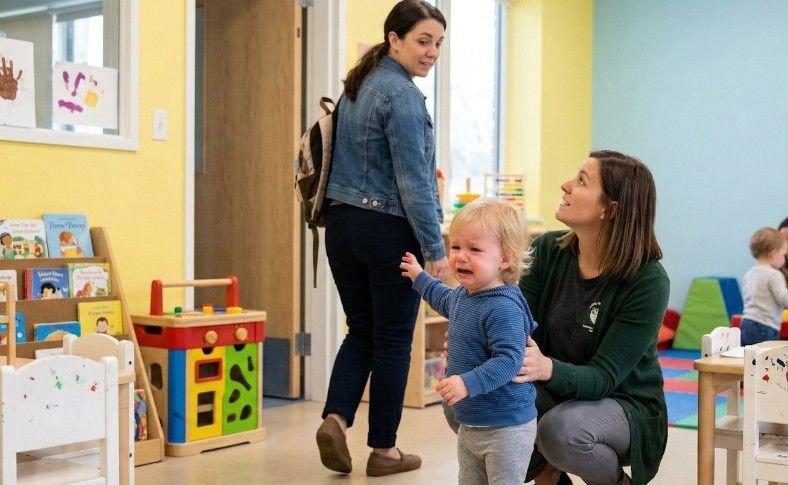
The protest stage is usually the first reaction. Toddlers may cry loudly, scream, cling tightly, or try to follow their parent out of the room.
This reaction is a natural attempt to restore the connection with their caregiver. The child believes their actions may bring the parent back quickly.
Despair Stage
If the separation continues, the toddler may become quiet, withdrawn, or unusually still. Parents sometimes interpret this as the child calming down.
In reality the child may still feel distressed but has temporarily stopped protesting. Emotional reassurance from caregivers helps them move through this stage.
Detachment Stage
In longer separations a child may appear comfortable with other caregivers but seem distant when the parent returns. This stage is uncommon and usually appears only during prolonged separations.
When children reconnect with their parents consistently, this stage typically disappears as emotional security strengthens.
What Triggers Toddler Separation Anxiety Phases?

Several everyday situations can trigger toddler separation anxiety phases. Hunger, fatigue, illness, or overstimulation can make toddlers more sensitive to separation. Major life changes also play a role. Moving homes, welcoming a new sibling, traveling, or starting daycare may temporarily increase anxiety.
Older toddlers sometimes show physical signs before separation such as stomachaches, headaches, or sudden clinginess. Sleep disruptions are also common. Children may resist bedtime, wake frequently, or insist on sleeping near a parent.
How To Toddler Separation Anxiety Phases Step By Step
Steps in managing toddler separation anxiety phases:
Prepare Your Toddler Before Leaving
The first step in managing toddler separation anxiety phases is preparing your child for the separation. I always tell my toddler where I am going and when I will return. Even simple explanations help children feel more secure. Predictability builds trust and helps toddlers understand that the separation is temporary.
Create a Consistent Goodbye Routine

The next step is creating a short and consistent goodbye routine. Each time I leave, I give a hug, a kiss, and say the same cheerful goodbye phrase. Keeping the routine quick prevents anxiety from growing and helps toddlers feel confident about the separation.
Practice Small Separations at Home
The final step is practicing small separations at home. I step into another room for a short time so my toddler learns that parents always come back. Gradually increasing these moments builds confidence and makes bigger separations like daycare easier.
When Should Parents Worry About Toddler Separation Anxiety Phases?
Most toddler separation anxiety phases are temporary and part of normal development. However parents should watch for signs that anxiety is becoming unusually intense or prolonged.
If a child refuses normal activities such as daycare, preschool, or social interaction for an extended period, professional guidance may help. Persistent panic or extreme distress after age three may require evaluation.
Pediatricians and child development specialists can determine whether the behavior reflects normal developmental phases or something more serious such as separation anxiety disorder.
Frequently Asked Questions
1. How long do toddler separation anxiety phases last?
Most toddler separation anxiety phases last several weeks or a few months. These stages usually appear during developmental milestones or routine changes. Consistent routines, calm reassurance, and predictable goodbyes help toddlers move through the phase more quickly and confidently.
2. Are toddler separation anxiety phases worse at daycare?
They can be. Daycare introduces unfamiliar environments, teachers, and routines. These changes may temporarily increase anxiety. However once toddlers develop trust with caregivers and understand the routine, many children become comfortable and even excited about daycare.
3. Can toddler separation anxiety phases come back after disappearing?
Yes they can return. Toddler separation anxiety phases often reappear during life changes such as moving homes, starting preschool, or welcoming a sibling. These temporary regressions are normal and usually resolve as children adjust to the new situation.
4. When should parents seek professional advice?
Parents should consult a pediatrician if anxiety continues beyond age three and interferes with daily life. Signs include refusing school, extreme panic, or persistent physical symptoms like headaches before separations. Professional guidance helps rule out separation anxiety disorder.
Final Thoughts on Toddler Separation Anxiety Phases
Understanding toddler separation anxiety phases completely changed how I approached difficult drop offs and bedtime struggles. Instead of seeing tears as a parenting failure, I learned to recognize them as a normal step and started having healthy communication with my child that helped in emotional development.
With patience, predictable routines, and reassurance, most children gradually outgrow these phases. Each small separation builds confidence and independence. One day your toddler who cried at the door will confidently wave goodbye and run off to explore the world.