
I once had a small moment with my niece that completely changed how I think about parenting. She spent nearly an hour building a tower with blocks and excitedly asked me to look at it. I glanced up from my phone and said, “Nice job.” She paused, frowned slightly, and said, “Look again… but really look.”
That moment made me realize something important about strengthening parent child relationship. Kids do not just want quick praise. They want attention, presence, and genuine interest.
Why Is Strengthening Parent Child Relationship Important?
A strong connection between parents and children builds emotional security. When kids feel safe and supported at home, they gain confidence and resilience. This sense of security helps them explore the world and face challenges without fear.
Strengthening parent child relationship also improves communication. Children who trust their parents are more comfortable sharing their experiences, worries, and ideas. Instead of hiding problems, they feel safe asking for guidance.
Another benefit is improved behavior. Kids who feel emotionally connected to their parents tend to cooperate more. Discipline becomes less about control and more about teaching responsibility and understanding consequences. So you should have more weekend family activities.
What Core Strategies Help Strengthening Parent Child Relationship?

Practice undivided presence
One of the most effective ways to support strengthening parent child relationship is simple attention. Children notice when parents are distracted by phones or work. Even a few minutes of focused interaction can have a powerful impact.
Try setting aside ten to fifteen minutes each day for uninterrupted time with your child. Remove distractions and focus fully on them. This simple habit tells your child that they matter.
Some parents follow the 7 7 7 rule. Spend seven minutes connecting in the morning, seven minutes after school, and seven minutes before bedtime. These brief moments help maintain emotional closeness throughout the day.
Listen actively instead of solving immediately
Parents often rush to solve problems when a child shares something difficult. But children usually want understanding first. Active listening means allowing them to finish their thoughts before offering advice.
Ask open questions such as “What was the best part of your day?” or “How did that make you feel?” These questions invite deeper conversation and help children feel heard.
When kids feel listened to, they build trust in their parents. That trust becomes the foundation of a stronger long term relationship.
Play together regularly
Play is often described as the language of childhood. Through play, children express creativity and emotions freely. When parents join in, they enter the child’s world and strengthen trust naturally.
Play does not require complicated activities. Building blocks, drawing pictures, or playing simple games can create meaningful bonding moments. For older kids, shared hobbies like sports, cooking, or creative projects can provide the same connection. These relaxed activities often lead to natural conversations.
How Do Family Rituals Support Strengthening Parent Child Relationship?

Create predictable moments of connection
Family rituals provide stability and emotional support. Simple traditions such as eating dinner together or reading a bedtime story create regular opportunities to connect.
Children rely on these routines because they feel safe and familiar. Predictable moments of family interaction strengthen emotional bonds over time.
Encourage conversation through routines
Many important conversations happen during everyday routines. Car rides, evening walks, or cooking together create relaxed spaces where children feel comfortable sharing their thoughts. Without the pressure of a serious talk, kids often open up naturally during these moments.
Build traditions children remember
Weekend rituals or family traditions can strengthen connection even more. Whether it is a movie night or Sunday breakfast, shared experiences create lasting memories. These traditions also give children a strong sense of belonging within the family.
How to Strengthening Parent Child Relationship Step by Step
Step 1: Start with daily one on one time
Begin by setting aside a few minutes each day for uninterrupted interaction. This time might involve talking, reading, or playing together. The goal is to create a consistent moment when your child receives your full attention. Consistency matters more than length. Even ten minutes each day can strengthen connection.
Step 2: Validate your child’s emotions

Children experience strong emotions that sometimes feel overwhelming. When parents acknowledge these feelings, kids feel understood. Simple responses like “I can see why that upset you” show empathy. Emotional validation encourages children to communicate openly.
Step 3: Create connection based routines
Shared routines naturally bring families together. Bedtime reading, family meals, or evening walks provide regular bonding opportunities. These routines create stability and emotional comfort for children.
Step 4: Repair conflicts quickly
Disagreements happen in every family. What matters most is how conflicts are resolved afterward. Parents who apologize when necessary show children that relationships can recover after mistakes. This teaches valuable lessons about empathy, respect, and communication.
What Age Specific Approaches Help Strengthening Parent Child Relationship?
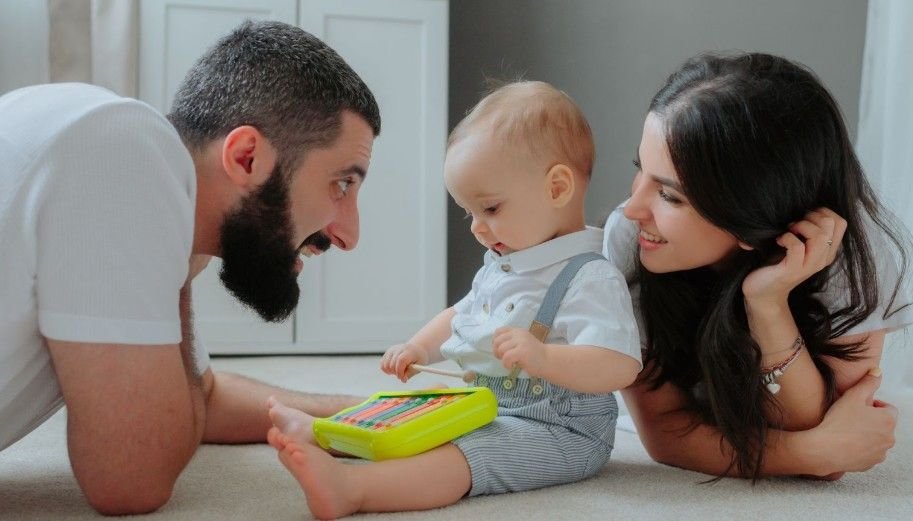
Infants and toddlers need secure attachment
In early childhood, physical closeness and responsiveness build trust. Eye contact, soothing voices, and gentle touch help infants feel safe. Simple interactions like smiling, talking, and comforting create strong emotional bonds.
Young children benefit from focused play
Young kids connect strongly through imagination and creativity. Reading stories, building toys, or drawing pictures together creates shared experiences. These playful interactions help children feel valued and understood.
Teens require respect and trust
Teenagers often seek independence while still needing emotional support. Casual conversations during car rides or shared activities often work better than direct questioning. Respecting their independence while staying supportive helps strengthen mutual trust.
How Can Parents Balance Love and Limits?
Healthy relationships require both warmth and structure. Children feel safest when parents set clear boundaries while offering emotional support. Consistent expectations help kids understand acceptable behavior.
Discipline should focus on teaching rather than punishment. Calm explanations and age appropriate consequences encourage responsibility without damaging trust. When parents balance kindness with clear limits, children learn that guidance comes from care rather than control.
Frequently Asked Questions
1. How long does strengthening parent child relationship take?
Strengthening parent child relationship happens gradually through consistent daily interactions. Spending focused time together, listening carefully, and sharing routines can improve connection within a few weeks. Over time these habits build deeper trust and emotional closeness.
2. What habit improves strengthening parent child relationship the most?
Consistent undivided attention is one of the most powerful habits. When parents dedicate even a few minutes each day to focused conversation or play, children feel valued. This simple practice builds trust and strengthens emotional connection.
3. Can strengthening parent child relationship improve behavior?
Yes. Children who feel emotionally connected to their parents often cooperate more and respond better to guidance. A strong relationship creates mutual respect, which helps children make better choices and accept family rules.
4. What if my child rarely talks to me?
Start with relaxed activities instead of direct questioning. Playing games, cooking together, or walking can create natural conversation. Over time patience and consistent presence help children feel comfortable opening up.
Why Strengthening Parent Child Relationship Matters Every Day
Strengthening parent child relationship does not require dramatic parenting strategies. It grows through small daily moments that show children they are valued and understood. Listening carefully, playing together, and sharing family routines quietly build a strong emotional bond.
Parents sometimes worry about making mistakes, but connection matters more than perfection. Children remember how parents made them feel far more than what they were told to do.