I still remember the first time I bought a stack of tiny baby onesies for my niece. They looked perfectly clean straight from the store packaging. I almost folded them directly into the nursery drawer. Then I paused and realized I had no idea how to wash baby clothes properly. That moment sent me down a small research rabbit hole, and I quickly learned that baby laundry needs a little extra care.
Learning how to wash baby clothes is not complicated, but it does require a gentle approach. Babies have sensitive skin, and their clothing is made from delicate fabrics. With the right washing routine, you can keep baby clothes soft, clean, and free from irritants.
What Are the Essential Steps for How to Wash Baby Clothes?
Once you understand the basic routine, learning how to wash baby clothes becomes a simple household habit. The key is preparing the clothes properly, choosing the right detergent, and using gentle washing settings.
Pre-wash new clothes before use
Always wash new baby clothes, blankets, and towels before your baby wears them. Manufacturing residues, dust, dyes, and chemicals may remain on fabrics after production and packaging. A quick wash removes these substances and softens the material.
Pre-washing also prepares the clothing for repeated use. The first wash often improves comfort and reduces the risk of irritation on sensitive baby skin.
Choose a gentle detergent for sensitive skin
A fragrance free and dye free detergent works best for baby laundry. Liquid detergents are often recommended because they dissolve easily and rinse out more completely than powdered detergents.
When you learn how to wash baby clothes, choosing a mild detergent becomes one of the most important decisions. Harsh detergents may leave residue that irritates skin, while gentle detergents clean effectively without causing problems.
Treat stains as soon as possible
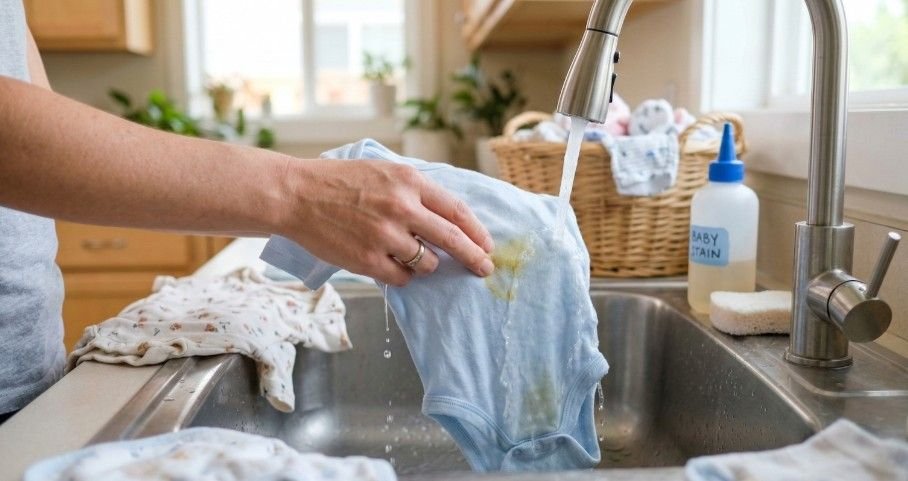
Baby clothes often develop protein based stains from milk, formula, or diaper leaks. These stains should be rinsed in cold water as soon as possible to prevent them from setting into the fabric.
Applying a small amount of enzyme based stain remover can help break down stubborn stains. Acting quickly makes it much easier to remove stains completely during the wash cycle.
Prepare clothing before placing in the washer
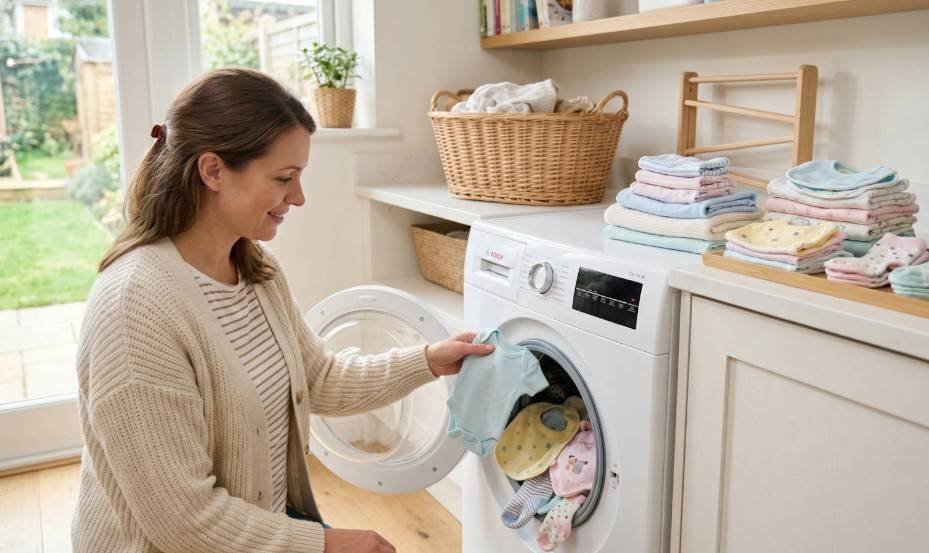
Before washing baby clothes, fasten snaps, buttons, and zippers. Turning garments inside out protects seams and decorative details during the washing process. Small items like socks, bibs, and mittens can easily disappear inside a washing machine. Placing them in a mesh laundry bag keeps them together and prevents tangling.
Which Machine Settings Work Best When Learning How to Wash Baby Clothes?
Choosing the correct washing machine settings plays a major role in cleaning baby clothes effectively. The wrong cycle or temperature can damage delicate fabrics or fail to remove detergent residue.
Select a gentle or delicate cycle
The gentle cycle is ideal for baby clothes because it uses slower agitation and protects delicate fabrics. This cycle still cleans effectively while reducing wear and tear on clothing.
Cold or warm water works well for most baby clothes. Extremely hot water should generally be avoided because it can shrink fabrics and set certain stains permanently.
Use an extra rinse cycle
Detergent residue can remain in clothing after a standard wash cycle. Running an extra rinse helps remove any remaining soap from the fabric. This additional rinse step is especially helpful when washing newborn clothes. It ensures the clothing is free from detergent residue that could irritate sensitive skin.
Dry baby clothes with care
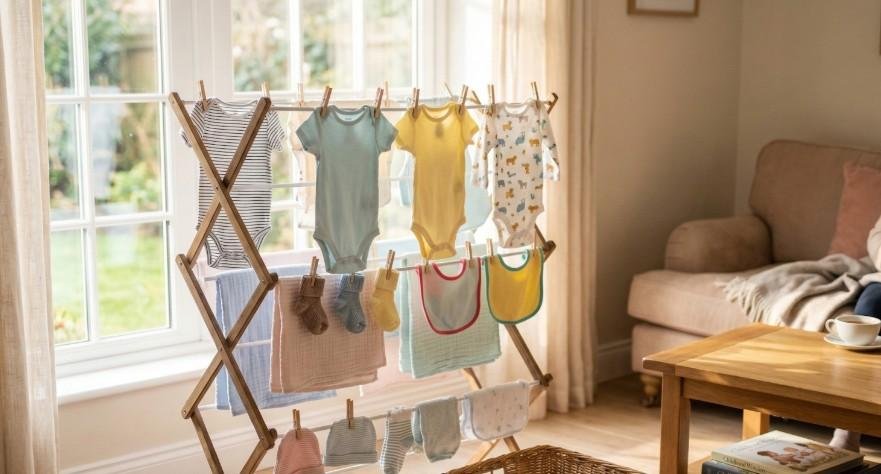
Air drying is one of the best ways to preserve baby clothing. It helps maintain the shape of garments and prevents shrinking or damage caused by high heat. If you prefer using a dryer, choose a low heat setting. Low heat protects delicate fabrics and keeps baby clothes soft and comfortable.
What Should You Avoid When Washing Baby Clothes?
Many parents assume that stronger cleaning products will keep baby clothes extra clean. In reality, harsh chemicals can damage fabrics and irritate baby skin. Understanding what to avoid is just as important as learning how to wash baby clothes correctly.
Avoid fabric softeners and dryer sheets
Fabric softeners and enhancers often contain fragrances and chemicals that may irritate sensitive skin. These products can also reduce the effectiveness of flame resistant fabrics used in some baby sleepwear. Skipping these products keeps baby clothes safer and helps maintain the natural softness of fabrics.
Avoid bleach on baby clothing
Bleach is a strong chemical that can weaken delicate fabrics and cause skin irritation. It may also damage flame resistant materials commonly used in baby pajamas. Instead of bleach, gentle detergents and proper stain treatment provide safer and effective cleaning.
Avoid overloading the washing machine
Overloading the washer prevents clothes from moving freely during the wash cycle. This often results in detergent residue remaining on fabrics. Smaller loads allow clothing to rinse properly and ensure each item is thoroughly cleaned.
How to Wash Baby Clothes Step by Step
Learning how to wash baby clothes becomes easier when you follow a simple step by step routine. This method keeps baby laundry organized while protecting delicate fabrics.
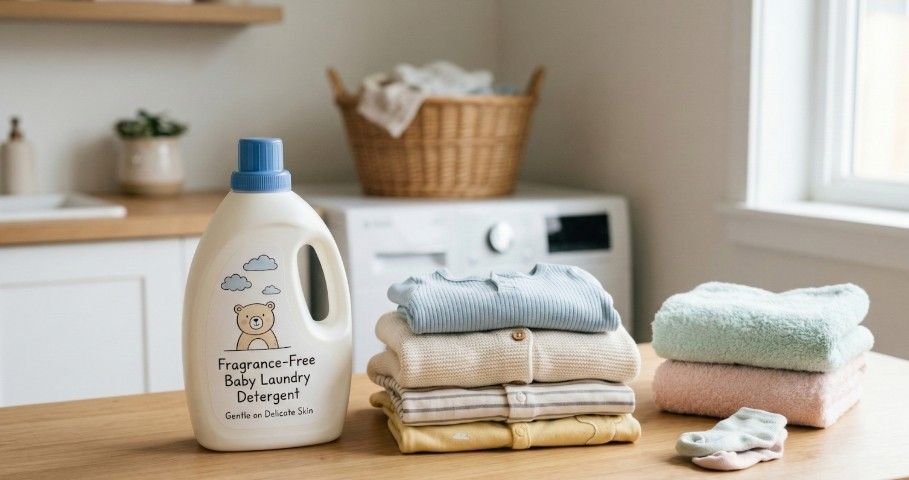
- Start by sorting baby clothes by color and fabric type. Keeping similar fabrics together prevents color transfer and reduces damage to delicate materials.
- Next inspect each item for stains. Rinse any milk, food, or diaper stains in cold water before placing them in the washing machine. Pre treating stains makes them easier to remove.
- Place clothes in the washer using a gentle or delicate cycle with warm or cold water. Don’t use too much soap detergent. Use one designed for sensitive skin.
- Once the wash cycle finishes, run an extra rinse cycle if possible. This removes any remaining detergent residue and keeps fabrics safe for delicate skin.
- Finally dry clothes using low heat in the dryer or allow them to air dry naturally. Air drying preserves softness and helps maintain the shape of baby garments.
Tips for Specific Items
Below is a quick reference table that simplifies how to care for specific baby items.
| Item Type | Recommended Care |
| Cloth Diapers | Wash separately in hot water using a sanitize cycle. Avoid fabric softeners as they reduce absorbency. |
| Wool Garments | Hand wash in cool water with gentle detergent. Lay flat to dry to prevent stretching. |
| Bamboo Fabrics | Wash using cold water and a gentle cycle. Air dry to prevent pilling and shrinking. |
| Stained Items | Inspect stains while the clothing is still wet. Never place stained items in the dryer because heat permanently sets stains. |
Frequently Asked Questions
1. Do you need special detergent when learning how to wash baby clothes?
Most babies do best with fragrance free and dye free detergents. These detergents remove dirt effectively while reducing the chance of skin irritation. Liquid detergents are often preferred because they rinse out more thoroughly.
2. Should baby clothes be washed separately from family laundry?
Baby clothes can usually be washed with family laundry if a gentle detergent is used. However many parents prefer washing newborn clothes separately to protect delicate fabrics and avoid exposure to stronger detergents.
3. What water temperature is best when learning how to wash baby clothes?
Warm or cold water works well for most baby clothes. Cold water protects fabric color while warm water removes stains effectively. Hot water should be reserved for heavily soiled items or cloth diapers.
4. How often should baby clothes be washed?
Baby clothes often need washing every two or three days because babies change outfits frequently. Washing regularly prevents stains from setting and keeps clean clothing ready for daily use.
A Gentle Routine for How to Wash Baby Clothes
Once you develop a routine for how to wash baby clothes, the process becomes quick and effortless. Gentle detergents, proper stain treatment, and careful washing cycles keep fabrics clean without irritating delicate skin.
Over time you will discover the laundry rhythm that works best for your household. The most important goal is keeping baby clothes soft, clean, and safe for everyday wear. With a little care and attention, baby laundry becomes one of the simplest parts of caring for your child.