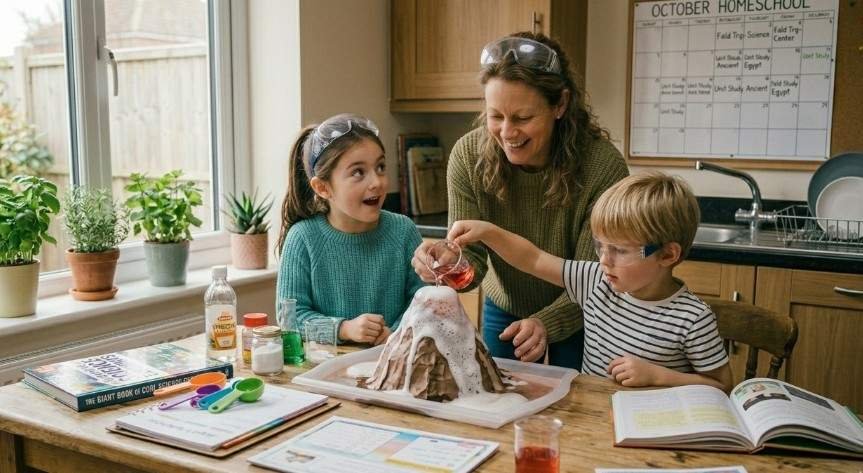

One of the most memorable moments during homeschooling happens when a child reads their first sentence confidently. I still remember sitting beside a young learner who struggled to recognize simple words. After practicing patiently every day, that child finally read a short story aloud without help. The excitement and pride on their face showed how powerful learning can be.
Reading is one of the most important skills children develop during their early education. It shapes how they learn, explore ideas, and understand the world around them. Parents who homeschool often look for practical ways to help children develop strong reading abilities.
Using the right homeschool reading strategies for beginners can make reading lessons enjoyable instead of frustrating. When children experience reading as a fun and rewarding activity, they become more motivated to practice.
In this guide, I will share practical homeschool reading strategies for beginners that help children build confidence, improve comprehension, and develop a lifelong love for reading.
Key Takeaways
- Consistent reading routines help children develop strong literacy skills.
- Simple and engaging reading activities improve learning.
- Encouraging curiosity and discussion strengthens comprehension.
- Positive reinforcement builds confidence in beginner readers.
Why Is Reading Important in Homeschool Education?
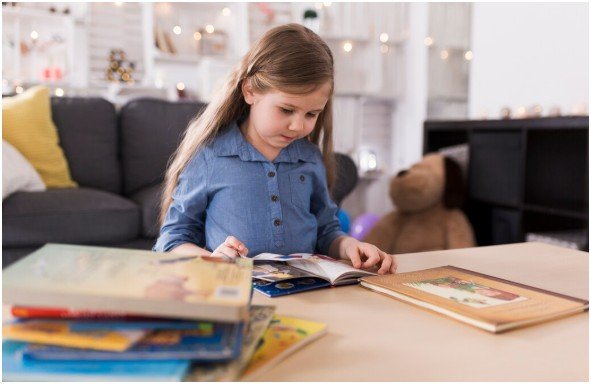
Reading forms the foundation of nearly every subject children will learn. From science to history, strong reading skills help children understand information and express ideas clearly.
Children who read regularly often develop better vocabulary and communication abilities. Reading also strengthens imagination and creativity by exposing kids to new ideas and stories.
In a homeschool environment, parents have the flexibility to personalize reading lessons. This allows families to choose materials that match the child’s interests and learning pace.
Using effective homeschool reading strategies for beginners helps children feel comfortable exploring books and developing strong literacy habits.
What Challenges Do Beginner Readers Face?
Many children experience difficulties when they begin learning to read.
Some kids struggle to recognize letter sounds and word patterns. Others may lose confidence if reading feels too challenging.
Attention span can also affect reading progress. Young learners often need shorter lessons and engaging activities to stay focused.
Parents who understand these challenges can create supportive learning environments that encourage gradual self improvement.
How Can Parents Start Teaching Reading at Home?

Begin With Phonics Basics
Phonics introduces children to the relationship between letters and sounds.
When children understand how sounds form words, they gain the tools needed to decode unfamiliar words. Simple phonics exercises can include sounding out letters and blending them into short words.
This approach is one of the most effective homeschool reading strategies for beginners and creative homeschool learning activities.
Use Simple and Engaging Books
Beginner readers benefit from books with simple vocabulary and repetitive patterns.
Picture books and early reading stories help children connect words with images, making reading easier to understand.
Choosing books based on a child’s interests also increases motivation.
Practice Reading Every Day
Consistency plays a major role in reading development.
Short daily reading sessions often produce better results than occasional long lessons. Even ten to fifteen minutes of reading practice each day can significantly improve skills.
Daily practice helps reinforce the homeschool reading strategies for beginners that parents introduce.
How Can Parents Make Reading Fun?
Read Together
Reading aloud together builds confidence and comprehension. Parents can take turns reading sentences or paragraphs. This shared experience helps children feel supported while practicing new words.
Use Story Discussions
Talking about stories helps children understand what they read. Parents can ask simple questions such as “What do you think will happen next?” or “Who was your favorite character?” These discussions strengthen comprehension skills.
Encourage Creative Activities
Creative activities related to books can make reading more engaging. Drawing scenes from a story or acting out characters helps children connect emotionally with the material. These activities that reinforce academic skills while making reading enjoyable.
What Are Helpful Reading Tools for Homeschool Families?
Flashcards and Word Games
Flashcards help children recognize common words quickly.
Word games can also make reading practice feel like play instead of study.
Audiobooks
Audiobooks allow children to hear fluent reading and develop listening comprehension.
Listening to stories while following along in a book can improve reading confidence.
Reading Journals
A simple reading journal encourages children to reflect on stories.
Writing short thoughts or drawing pictures about books helps reinforce comprehension.
Using these tools strengthens homeschool reading strategies for beginners.
What Mistakes Should Parents Avoid?
Parents sometimes unintentionally make reading lessons stressful.
One common mistake involves pushing children too quickly. Reading skills develop gradually, and rushing the process can create frustration.
Another mistake is focusing only on accuracy instead of enjoyment. When reading becomes overly pressured, children may lose interest.
Parents should prioritize encouragement and patience while applying homeschool reading strategies for beginners.
Frequently Asked Questions
1. At what age should homeschooling parents start teaching reading?
Many children begin learning basic reading skills between ages four and six, depending on their readiness.
2. How long should beginner reading lessons last?
Short sessions of 10 to 20 minutes work well for beginner readers to maintain focus.
3. What if my child struggles with reading?
Parents can slow down lessons, revisit phonics basics, and provide encouraging support to build confidence.
4. Do children need formal reading programs for homeschooling?
Not always. Many families successfully teach reading using simple books, phonics practice, and daily reading routines.
Helping Kids Develop a Love for Reading
The goal of early reading lessons is not only teaching skills but also building a lifelong appreciation for books.
Children who experience reading as an enjoyable activity often continue exploring books independently as they grow.Parents can nurture curiosity by providing interesting reading materials and celebrating progress.
With consistent support and effective homeschool reading strategies for beginners, children develop strong literacy skills and confidence in their abilities.