

One day I watched a child carefully tie his shoes for the first time. It took several attempts, and the process felt slow and frustrating.
My first instinct was to help quickly and finish the task. Instead, I waited and encouraged him to keep trying. After a few minutes, he succeeded on his own, and the smile on his face showed real pride.
Moments like that remind me how powerful encouraging independence in kids can be. When children learn to do things for themselves, they gain confidence, responsibility, and problem-solving abilities.
Parents often want to protect their children and make life easier for them. However, giving kids opportunities to try, fail, and try again helps them grow stronger and more capable.
In this guide, I will share practical strategies for encouraging independence in kids so children develop confidence, responsibility, and lifelong life skills.
Key Takeaways
- Independence helps children build confidence and responsibility.
- Small daily tasks teach kids valuable life skills.
- Parents should guide children without controlling every action.
- Gradual independence prepares children for real-world challenges.
Why Is Independence Important for Children?
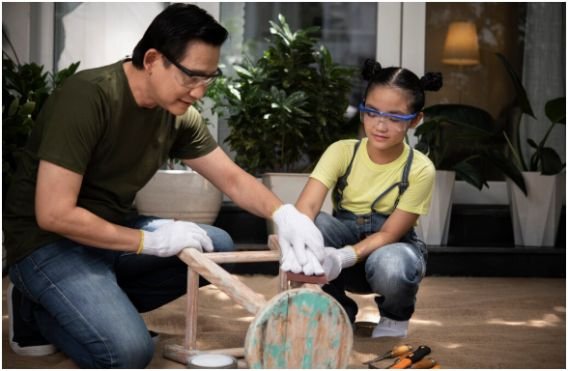
Independence plays an essential role in a child’s development. When children learn to complete tasks on their own, they begin to trust their abilities.
Kids who develop independence often show stronger self-esteem because they feel capable of handling challenges. Instead of relying entirely on adults, they learn to think and act confidently.
Independence also improves decision-making skills and problem solving skills. Children who practice making choices understand the consequences of their actions and develop better judgment over time.
By focusing on encouraging independence in kids, parents help children grow into capable individuals who can manage responsibilities and navigate life confidently.
What Does Independence Look Like for Kids?
Independence does not mean children must handle everything alone. Instead, it means gradually learning to complete age-appropriate chores.
For younger children, independence might involve putting toys away or dressing themselves. These small responsibilities teach organization and accountability.
Older children may practice independence by completing homework without constant reminders or helping with household chores.
The key is providing guidance while allowing children to take ownership of tasks. This balance helps children develop skills without feeling overwhelmed.
How Can Parents Encourage Independence?
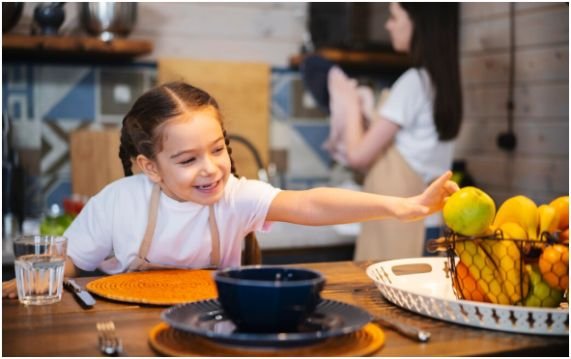
Give Age-Appropriate Responsibilities
One of the most effective ways of encouraging independence in kids is assigning tasks that match their abilities.
Simple responsibilities such as setting the table, organizing school supplies, or watering plants teach children that they can contribute to the family.These tasks help kids feel trusted and capable.
Allow Children to Make Choices
Children learn independence when they have opportunities to make decisions.Parents can offer simple options such as choosing clothing, selecting a snack, or deciding which homework task to complete first.
Providing choices helps children develop decision-making skills and confidence.
Be Patient With Mistakes
Learning independence often involves trial and error.
When children attempt tasks independently, mistakes are part of the process. Instead of correcting every error immediately, parents can guide children toward improvement.
Patience encourages persistence and resilience.
How Do Daily Routines Build Independence?
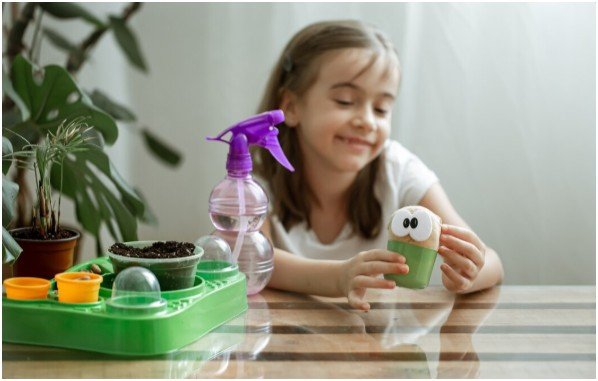
Daily routines provide natural opportunities for children to practice independence.
Morning routines allow children to dress themselves, brush their teeth, and prepare for the day. These small habits help children manage responsibilities gradually.
Homework routines also encourage independence. Allowing children to organize their study time teaches planning and discipline.
Even bedtime routines provide learning opportunities as children develop habits that support personal responsibility.
These everyday practices make encouraging independence in kids a natural part of family life.
What Activities Help Build Independence?
Household Chores
Chores teach children how to contribute to family responsibilities. Tasks such as cleaning rooms, organizing belongings, or helping prepare meals encourage accountability.
Creative Projects
Creative activities allow children to make decisions independently. Art projects, building activities, or simple crafts encourage exploration and confidence.
Outdoor Exploration
Outdoor activities such as playing in the park or exploring nature allow children to practice problem-solving and decision-making in real-world situations.
These experiences help children gain confidence in their abilities.
What Mistakes Should Parents Avoid?
Parents sometimes unintentionally limit independence by stepping in too quickly.
One common mistake is doing tasks for children simply because it feels faster or easier. While this may save time, it prevents kids from learning valuable skills.
Another mistake involves giving too much criticism when children attempt new tasks. Negative reactions can discourage children from trying again.
Parents should focus on encouragement and guidance instead of control.
Frequently Asked Questions
1. At what age should parents encourage independence?
Parents can begin encouraging independence during early childhood through simple tasks such as cleaning toys or choosing clothes.
2. How can parents help shy children become more independent?
Parents can encourage independence gradually by offering small responsibilities and praising progress to build confidence.
3. Why do some children resist independence?
Some children feel uncertain about new responsibilities. Gentle guidance and encouragement can help them feel more comfortable trying new tasks.
4. Do chores help children become more independent?
Yes. Chores teach responsibility, organization, and accountability, which are essential for independence.
Helping Kids Grow Into Independent Individuals
The process of encouraging independence in kids requires patience and consistent support.
Children learn best when parents provide opportunities to practice responsibility in a safe environment. Small wins helps to boost your confidence and motivation.
Over time, independent children develop the ability to solve problems, make decisions, and take responsibility for their actions.
By allowing children to explore their abilities and learn from experience, parents help prepare them for the challenges and opportunities of adulthood.