
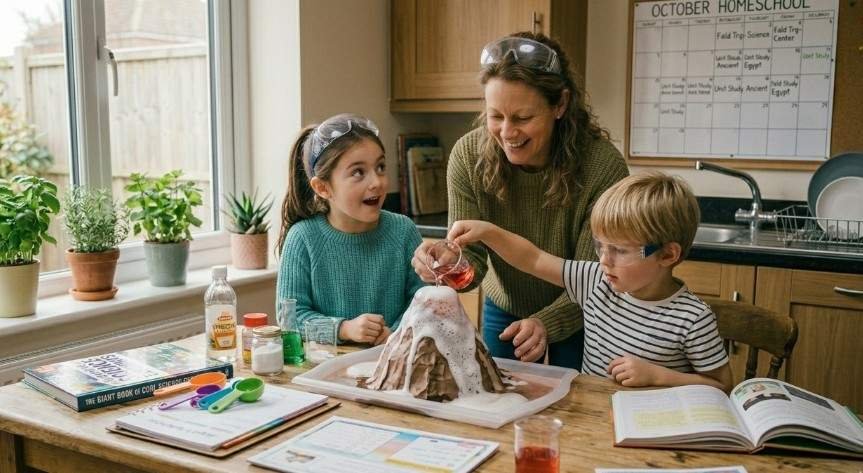
One afternoon during our homeschool routine, I watched my kids erupt with excitement over a messy kitchen science experiment. The volcano we made from baking soda and vinegar taught them more about chemical reactions than any worksheet ever could. That moment made me realize the power of creative homeschool learning activities in turning everyday lessons into memorable experiences.
Since then, I started intentionally weaving creativity into our daily schedule. Instead of relying only on textbooks, I began building lessons around hands-on exploration, storytelling, and practical challenges. These small changes transformed our homeschool environment into a space where curiosity drives learning.
Why Do Creative Homeschool Learning Activities Improve Learning?
Learning Through Real-Life Experiences
Traditional lessons often separate knowledge from real life. Creative activities bridge that gap by connecting academic concepts with everyday experiences. When children measure ingredients while baking or observe insects during a nature walk, they develop deeper understanding.
These experiences allow them to see how academic subjects function outside the classroom. Hands-on learning also strengthens memory. Kids remember the activity and the concept together, which makes knowledge easier to recall later.
Encouraging Curiosity and Problem Solving
Creative homeschool learning encourages children to ask questions and test ideas. Instead of simply reading about a concept, they explore it through experimentation. This approach helps develop critical thinking skills. Children learn to analyze results, adjust strategies, and solve problems independently.
Over time, curiosity becomes a natural part of their learning process, making homeschooling more enjoyable and effective.
What Are Some Hands-On Creative Homeschool Learning Activities?
Hands-On Science and Nature Exploration
Science becomes exciting when children experiment with real materials. A simple kitchen laboratory can teach chemistry concepts through projects like vinegar volcanoes or homemade slime.
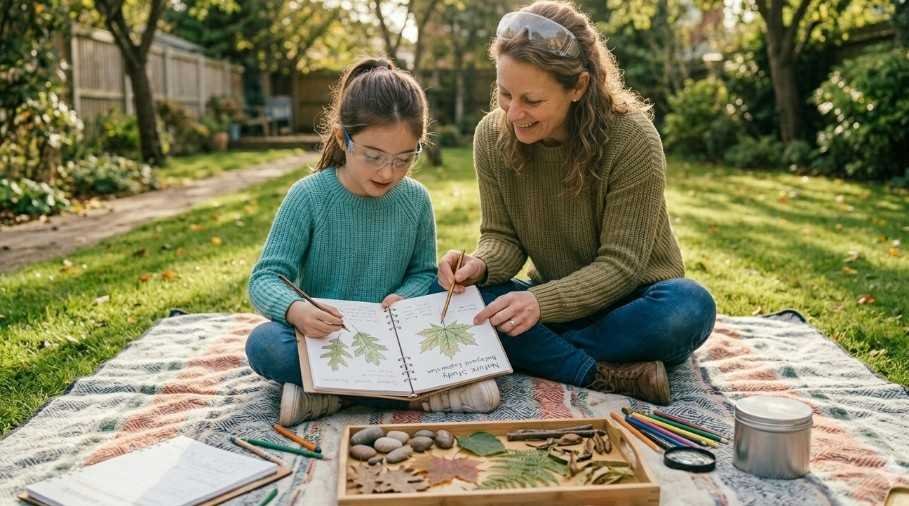
Nature journaling is another effective activity. During outdoor walks, children sketch plants, collect leaves, and record weather patterns. These observations blend art with biology. Creating a mini garden also transforms the backyard into a living classroom where children learn about ecosystems, plant growth, and responsibility.
STEM Building Challenges
STEM activities for families help children explore engineering and physics concepts through creative construction projects. Building a popsicle stick bridge or designing a marshmallow tower encourages experimentation.
Children test structures, observe failures, and improve their designs. These hands-on challenges teach resilience and creative problem solving. Even simple materials like straws or paper can inspire exciting engineering experiments that reinforce scientific thinking.
How Can Creative Math and Literacy Activities Improve Learning?

Real-World Math in Everyday Tasks
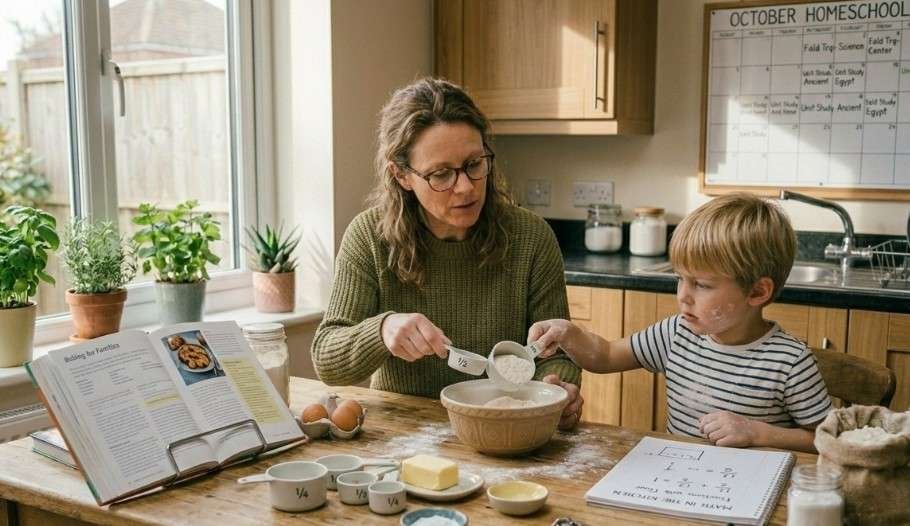
Math becomes more meaningful when children apply it to real-life situations. Cooking offers an excellent opportunity to practice fractions, measurements, and ratios.
Shopping games can also reinforce math skills. Children calculate totals, compare prices, and estimate costs while pretending to run a small store. These exercises build mathematical confidence while showing how numbers operate in daily life.
Gameschooling and Story-Based Learning
Gameschooling integrates board games into academic learning. Word games like Scrabble improve spelling and vocabulary while strategy games strengthen logical thinking.
Interactive storytelling also enhances literacy skills. Children can use puppets or story stones collected from nature walks to create imaginative narratives. Creative writing prompts children to express their thoughts. Writing letters to relatives or inventing alternate endings to favorite books builds language fluency and confidence.
Can Arts, History and Community Experiences Enhance Homeschooling?
Historical Role Play and Creative Projects
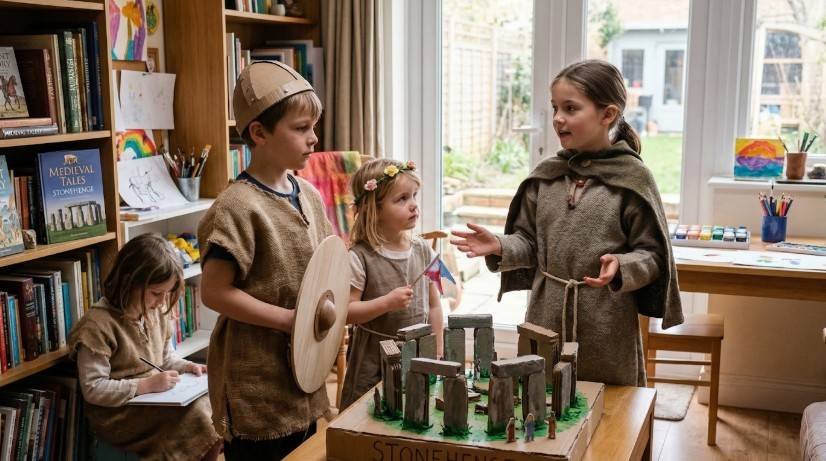
History becomes vivid when children actively participate in reenactments. Dressing up as historical figures or creating dioramas helps them visualize historical events.
Children gain a deeper understanding of historical periods when they recreate important moments through storytelling and art projects. These activities combine creativity with historical research, making lessons far more engaging.
Field Trip Fridays and Real-World Exploration
Regular field trips bring academic subjects to life. Visiting museums, botanical gardens, or local businesses provides real-world context for lessons.
For example, a visit to a bakery can demonstrate math concepts through ingredient measurements and business operations. Community exploration helps children understand how academic subjects apply to real careers and everyday environments.
How to Plan Creative Homeschool Learning Activities Step by Step
Step 1 Identify Interests and Learning Styles
The first step is observing what sparks your child’s curiosity. Some children enjoy building projects while others prefer storytelling or art-based learning.
Understanding these preferences helps you design creative homeschool learning activities that feel exciting rather than forced. When learning aligns with a child’s interests, engagement increases naturally.
Step 2 Choose Weekly Themes
Select a topic to explore for the week such as space, nature, inventions, or ancient civilizations. A single theme helps connect multiple subjects together.
For example, a space theme can include science lessons about planets, math problems about distances, and creative writing about astronauts. Thematic learning helps children see how subjects relate to one another.
Step 3 Integrate Hands-On Projects Daily
Plan one creative activity each day related to the weekly theme. This could include experiments, crafts, storytelling exercises, or outdoor observations.These projects should support academic learning while encouraging creativity. Consistency helps children look forward to daily exploration.
Step 4 Encourage Questions and Exploration
Allow children to guide the direction of learning when curiosity appears. If a science experiment sparks interest, spend extra time discussing the results. Encouraging questions builds self-confidence and independent thinking skills. Many meaningful learning moments happen during these spontaneous explorations.
Step 5 Reflect and Connect Learning
End each activity by discussing what the child learned. Reflection helps connect experiences with academic concepts. Children may explain what worked, what surprised them, or what they would change next time. These conversations strengthen understanding and reinforce the purpose of the activity.
Frequently Asked Questions
1. What age group benefits most from creative homeschool learning activities?
Creative homeschool learning activities work for nearly every age group. Younger children enjoy sensory exploration and simple crafts, while older students benefit from STEM challenges, writing projects, and research activities. Adjusting complexity ensures the activity remains engaging and educational for different developmental stages.
2. Do creative homeschool learning activities replace traditional lessons?
Creative homeschool learning activities should complement traditional instruction rather than replace it entirely. Textbooks, reading, and structured lessons provide foundational knowledge. Hands-on activities reinforce those lessons by helping children apply concepts through real-world experimentation and interactive learning experiences.
3. How often should families include creative homeschool learning activities?
Many homeschool families incorporate two or three creative activities each week alongside regular lessons. Even small projects can significantly increase engagement. The goal is to balance structured academic learning with creative exploration so children remain curious and motivated.
4. What materials are needed for creative homeschool learning activities?
Most creative homeschool learning activities require simple household materials such as paper, art supplies, measuring cups, cardboard, and kitchen ingredients. Nature also provides excellent resources including rocks, leaves, and soil for science exploration. Expensive supplies are rarely necessary.
Conclusion
When I first introduced creative homeschool learning activities into our routine, I expected a few fun projects. What I discovered instead was a completely different learning environment where curiosity, creativity, and excitement guided our homeschool days.
These activities transform everyday moments into meaningful educational experiences. Science experiments in the kitchen, storytelling games in the living room, and nature walks outside can all become powerful lessons.


