

I remember watching a child sit down to finish homework and lose focus within minutes. The pencil rolled across the table, the chair started spinning, and suddenly everything in the room seemed more interesting than the assignment. Moments like that made me realize how challenging attention can be for kids.
Many parents worry when their children struggle to stay focused on tasks. The good news is that focus and attention are skills that can be developed over time. With the right routines and environment, children can gradually learn how to concentrate better.
Working on building focus and concentration in children helps them succeed not only in school but also in everyday life. Focus allows kids to complete tasks, solve problems, and absorb new information more effectively.
In this guide, I will share practical strategies for building focus and concentration in children so parents can support their kids in developing stronger attention skills.
Key Takeaways
- Focus and concentration improve gradually with practice and routine.
- Structured environments help children stay attentive.
- Limiting distractions supports better concentration.
- Short focused activities can strengthen attention over time.
Why Is Focus Important for Children?
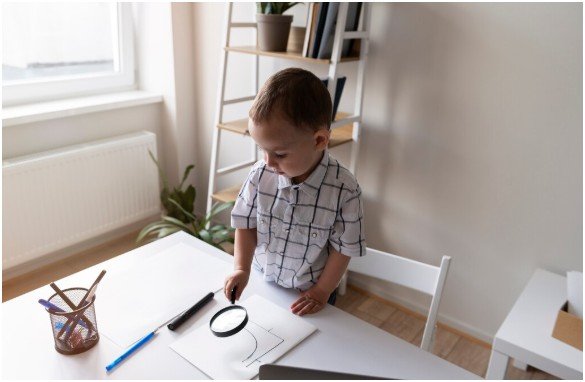
Focus plays a crucial role in learning and development. Children who can concentrate on tasks often complete assignments more efficiently and understand concepts more clearly.
Attention skills also support emotional regulation. Kids who can focus tend to manage frustration better and stay calm during challenging tasks.
Strong concentration benefits social interactions as well. Children who listen carefully during conversations learn to understand others and respond thoughtfully.
Parents who work on building focus and concentration in children help their kids develop habits that support lifelong learning.
What Causes Difficulty With Concentration?

Several factors can affect a child’s ability to focus including time management for simple daily habits.
Distractions in the environment often play a major role. Loud noises, television, or electronic devices can easily pull a child’s attention away from important tasks.
Fatigue and irregular routines can also reduce concentration. Children who do not get enough sleep may struggle to stay attentive during the day.
Another factor involves task complexity. When activities feel overwhelming, children may lose interest quickly.
Understanding these causes helps parents support building focus and concentration in children more effectively.
How Can Parents Improve Focus in Children?
Create a Consistent Routine
Children respond well to predictable schedules. When study time occurs at the same time each day, the brain begins to associate that period with focused work.
Routine helps reduce resistance because children know what to expect.
Reduce Distractions
A calm learning environment supports better concentration.
Parents can create a quiet workspace free from television, loud noises, and unnecessary digital devices. Even small environmental changes can significantly improve attention.
Break Tasks Into Small Sections
Long assignments can overwhelm children.Dividing work into shorter segments makes tasks feel manageable. After completing each section, children experience a sense of accomplishment that motivates them to continue.
These strategies play a key role in building focus and concentration in children.
What Activities Help Improve Concentration?
Reading Time
Reading helps children practice sustained attention. Short daily reading sessions gradually strengthen concentration skills.
Puzzle and Logic Games
Puzzles encourage critical thinking and patience. Activities such as jigsaw puzzles or brain teasers require children to stay focused while solving problems.
Creative Activities
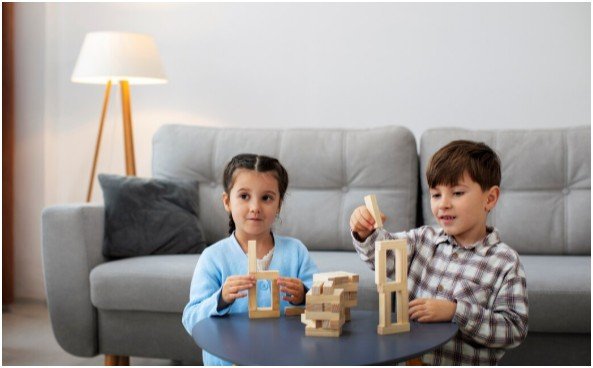
Drawing, painting, and building projects also improve focus. These activities require attention to detail and encourage children to stay engaged.
Using these activities regularly helps parents support building focus and concentration in children.
How Can Parents Encourage Better Attention Habits?
Encouragement and positive reinforcement play an important role in developing attention skills.
When children complete tasks successfully, parents can acknowledge their effort. Simple encouragement such as “You did a great job focusing on that assignment” reinforces positive behavior.
Parents should also model focus themselves. Children observe adult behavior closely, and when parents demonstrate concentration during tasks, kids often imitate those habits.
Providing breaks during long tasks can also help maintain attention. Short breaks allow children to recharge before returning to work.
What Mistakes Should Parents Avoid?
Some parenting habits can unintentionally make concentration more difficult.
One common mistake involves expecting children to focus for long periods without breaks. Young children naturally have shorter attention spans.
Another mistake is using excessive pressure. When children feel stressed, their ability to concentrate often decreases.
Parents should focus on supportive guidance instead of strict expectations when working on building focus and concentration in children.
Frequently Asked Questions
1. How long can children typically focus?
Young children usually focus for about 10–20 minutes depending on their age and interest level.
2. What activities improve concentration in kids?
Reading, puzzles, building projects, and creative activities help strengthen attention and problem-solving skills.
3. Can screen time affect a child’s focus?
Excessive screen time may reduce attention span, so balanced screen use is recommended.
4. How can parents help kids focus on homework?
Creating a quiet study environment, setting a routine, and breaking assignments into smaller tasks can improve concentration.
Helping Children Develop Lifelong Focus Skills
Improving concentration takes time and patience. Children gradually strengthen attention through practice, routine, and encouragement.
By creating supportive learning environments and providing engaging activities, parents can help children develop stronger focus skills.
The goal of building focus and concentration in children is not perfection but progress. With consistent support, children learn how to manage distractions, stay attentive, and approach tasks with confidence.
Over time, these habits contribute to academic success and stronger problem-solving skills.