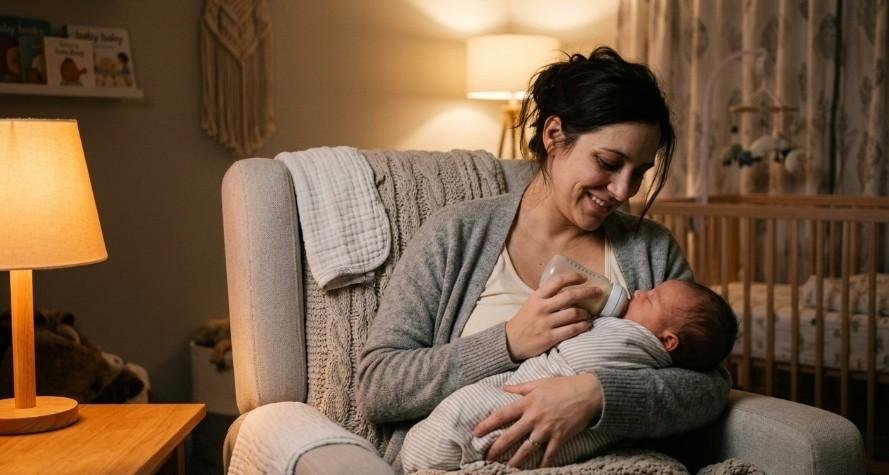
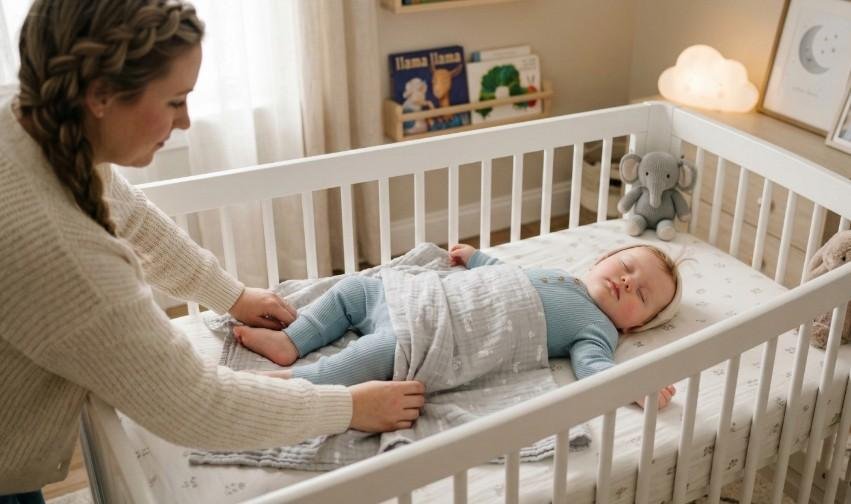
If you are a parent dealing with nighttime congestion, you probably know the feeling. Babies rely heavily on their noses to breathe, so even mild congestion can disrupt sleep. When babies cannot breathe comfortably, they wake more often and become restless.
Understanding the best sleeping position for baby with stuffy nose can make nighttime easier. With the right sleep position and a few simple steps before bedtime, you can help your baby breathe easier while following safe sleep recommendations.
Why Sleeping Position for Baby With Stuffy Nose Is Important
Babies have extremely small nasal passages. Because their noses are so tiny, even a small amount of mucus can block airflow and make breathing noisy or uncomfortable. This is why congestion often sounds worse than it actually is.
Sleep position plays a major role in keeping the airway open. Pediatric experts recommend placing babies on their backs on a firm surface because this position keeps the airway aligned and safe.
The best sleeping position for baby with stuffy nose is therefore still on the back. Even when congestion is present, this position allows babies to breathe safely and reduces the risk of sleep related complications.
Why Do Pediatric Experts Recommend Back Sleeping?
The best sleeping position for baby with stuffy nose remains back sleeping because it is the safest sleep position overall. Research shows that placing babies on their backs significantly reduces the risk of Sudden Infant Death Syndrome.
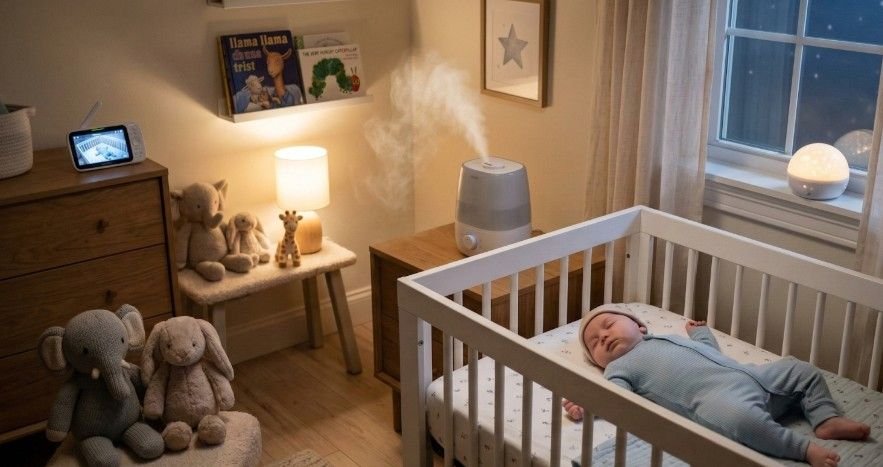
When babies lie on their backs, their airway anatomy naturally protects them. Mucus drains safely and babies can swallow or cough it away without blocking airflow.
Back sleeping also prevents suffocation risks that may occur with stomach or side sleeping. A baby placed on their stomach may press their nose into the mattress or bedding, which can make breathing even harder when they already have congestion.
What Happens If Babies Sleep on Their Side or Stomach?
Parents sometimes feel tempted to place a congested baby on their side or stomach because it seems like mucus might drain better. However, medical experts strongly advise against these positions.
Side sleeping is unstable because babies can easily roll onto their stomachs. Once in that position, their airway may become partially blocked, especially if they are congested.
This is why experts continue to emphasize that the best sleeping position for baby with stuffy nose is flat on the back. Following this rule keeps babies safe while they sleep and helps parents avoid unnecessary risks.
Which Dangerous Sleep Practices Should Parents Avoid?
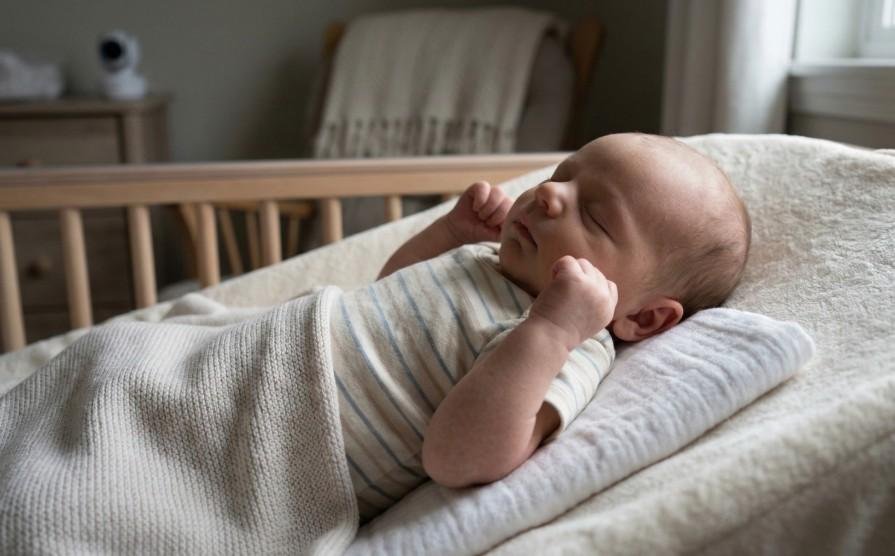
Inclined sleepers and wedges
Some products claim to help babies breathe better by elevating their heads. Inclined sleepers, wedges, and similar devices can actually be dangerous. When a baby’s head tilts forward, their airway can become compressed.
This position may lead to positional breathing problems during sleep. For this reason, safety organizations advise parents to avoid inclined sleeping products completely.
Pillows, towels, and crib props
Using pillows, rolled towels, or blankets to prop up a baby is another unsafe practice. Soft items inside the crib increase the risk of suffocation and entrapment.
Instead of adjusting the mattress angle, parents should focus on safe preparation before bedtime. The safest approach is still the best sleeping position for baby with stuffy nose, which is flat on the back on a firm surface.
How Can Parents Safely Relieve Baby Congestion Before Sleep?
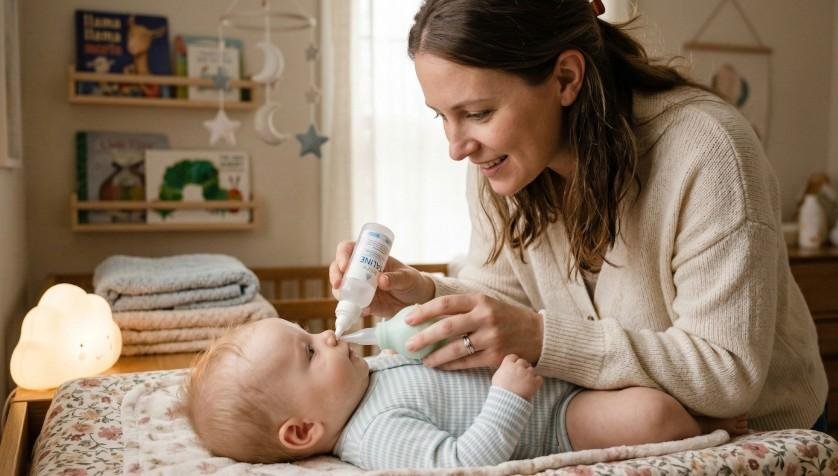
Clearing nasal passages gently
Helping a baby breathe comfortably before sleep often begins with clearing the nose. Saline drops are a safe and gentle way to loosen thick mucus inside the nasal passages.
After using saline, parents can gently remove mucus with a bulb syringe or nasal aspirator. This simple step can make breathing easier and help babies settle faster.
Using moisture in the nursery
Dry air can worsen congestion, especially during colder seasons or when indoor heating is used frequently. Adding moisture to the air can help keep nasal passages comfortable.
A cool mist humidifier in the nursery can thin mucus and improve airflow. Many parents notice their baby sleeps more peacefully when the room air is slightly humidified.
Steam before bedtime
Another simple technique is steam exposure before sleep. Sitting with your baby in a steamy bathroom for several minutes can loosen mucus and open nasal passages.
This short routine can help babies breathe better once they are placed in the best sleeping position for baby with stuffy nose inside the crib.
How to Best Sleeping Position for Baby With Stuffy Nose Step by Step
Step 1: Start a calm bedtime routine
Begin with a predictable bedtime routine that signals sleep time. Dim lighting, feeding, and gentle rocking help babies relax before being placed in the crib.
A calm routine also reduces fussiness caused by congestion. When babies feel relaxed, they fall asleep more easily even when their noses are slightly blocked.
Step 2: Clear the nose before sleep
Use saline drops to loosen mucus in each nostril. After allowing the saline to work for a moment, gently suction the mucus using a nasal aspirator.
Clearing the nose before bedtime allows babies to breathe more easily while sleeping in the best sleeping position for baby with stuffy nose.
Step 3: Prepare a safe sleep environment
Place your baby in a crib or bassinet with a firm mattress and fitted sheet. Remove blankets, pillows, and toys from the sleep area.
A simple and uncluttered sleep space allows babies to breathe freely and sleep safely throughout the night.
Step 4: Lay your baby on their back
The final step is placing your baby flat on their back. This is the best sleeping position for baby with stuffy nose and the safest position for every sleep.
Once your baby is placed in the crib, avoid repositioning them onto their side or stomach. Maintaining the back sleeping position keeps the airway protected.
When Should Parents Call a Doctor?

Recognizing warning signs
Most baby congestion is temporary and improves within several days. However, certain symptoms should prompt parents to contact a pediatrician for guidance.
If a baby younger than three months develops congestion along with a fever, medical advice should be sought immediately.
Signs of breathing difficulty
Parents should also watch for signs of labored breathing. If the baby’s ribs pull inward during breathing or their nostrils flare repeatedly, it may indicate respiratory distress.
Another concern is dehydration. Fewer wet diapers, difficulty feeding, or unusual sleepiness can signal that the baby needs medical attention.
Frequently Asked Questions
1. What is the best sleeping position for baby with stuffy nose?
The best sleeping position for baby with stuffy nose is on the back on a firm mattress with no loose bedding. This position protects the airway and follows pediatric safe sleep recommendations.
2. Can elevating the mattress help congestion?
Elevating the mattress is not recommended because it can cause the baby’s head to tilt forward and compress the airway. Experts advise keeping the mattress flat and focusing on clearing the baby’s nose before sleep.
3. How can I help my baby breathe easier at night?
Parents can use saline drops, gentle suction, and a cool mist humidifier to reduce congestion. These methods help babies breathe comfortably while sleeping safely on their backs.
4. Is it normal for babies to sound congested while sleeping?
Yes, babies often sound congested because their nasal passages are very small. As long as they are feeding well and breathing comfortably, mild congestion is usually normal and temporary.
Conclusion
Nighttime congestion can make parents anxious, especially when babies wake frequently or sound uncomfortable. It is natural to want to change their position to help them breathe better, but research consistently supports one clear answer.
The best sleeping position for baby with stuffy nose is flat on the back on a firm mattress with a clear crib. This position protects the airway, reduces sleep related risks, and follows pediatric safe sleep guidelines.