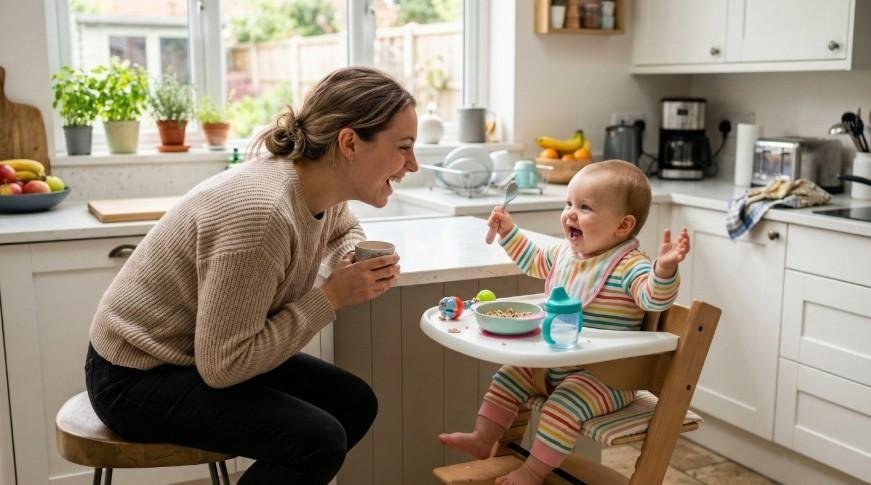

Many parents assume that family dinners must be elaborate to matter. In reality, even simple meals together create powerful routines. Experts consistently highlight the benefits of family meals for children because regular shared meals support health, communication, emotional security, and academic development. Children who eat with their families several times each week often grow up with stronger relationships and healthier habits.
Why Are the Benefits of Family Meals for Children So Powerful
Shared meals create predictable moments of connection. When children know that dinner time means sitting together and talking, they feel valued and included in the family routine. This sense of belonging strengthens emotional security and encourages openness.
The benefits of family meals for children also come from the daily opportunity for conversation. During dinner, children practice listening, explaining ideas, and responding to others. These small exchanges build communication skills that help them navigate friendships, school, and life.
Improved Nutrition and Healthy Weight
Children learn eating habits by watching the adults around them. When families eat together, parents naturally model balanced meals that include vegetables, proteins, and whole foods. Kids begin to copy those choices without feeling forced.
Research consistently shows that one of the strongest benefits of family meals for children is better nutrition. Children who regularly eat with their families tend to consume more fruits and vegetables and fewer sugary drinks. Studies also suggest that frequent shared meals are linked with a lower risk of childhood obesity.
Enhanced Mental Health and Emotional Stability
The dinner table often becomes a safe space where children can share thoughts about their day. When parents listen without judgment, kids learn that their feelings matter. That daily reassurance builds confidence and emotional resilience.

Another important reason experts emphasize the benefits of family meals for children is mental health support. Consistent family meals have been linked with lower rates of depression, anxiety, and eating disorders among young people.
Better Academic Performance and Learning Skills
Dinner conversations are powerful learning opportunities. When children talk about school, ask questions, and hear new ideas, they naturally expand their vocabulary and thinking skills.
Many researchers point out that one of the long-term benefits of family meals for children is improved academic performance. Teens who eat with their families more often tend to achieve higher grades, while younger children benefit from the language development that happens during casual conversation.
Reduced Risky Behaviors in Adolescence
Teen years often bring social pressure and exposure to risky situations. Family dinners create regular check-in moments that allow parents to stay aware of what their children are experiencing.
The benefits of family meals for children also extend into adolescence. Studies suggest that teens who eat frequently with their families show lower rates of substance use, violent behavior, and early risky activities. The consistent family connection acts as a protective influence.
Stronger Social and Communication Skills
The dinner table acts as a real-life classroom for social behavior. Children learn how to take turns speaking, listen to others, and respond respectfully.

One of the overlooked benefits of family meals for children is how it helps them observe adult interactions. Kids watch how parents solve problems, express emotions, and share opinions. These observations shape how children communicate in their own relationships.
What Are the Key Benefits for Children?
Below is a simple overview of the most widely recognized outcomes connected to regular family meals.
| Area of Development | Impact on Children |
| Nutrition | Higher fruit and vegetable intake |
| Mental Health | Reduced anxiety and stronger self-esteem |
| Academics | Better vocabulary and improved grades |
| Behavior | Lower risk of substance use |
| Communication | Improved listening and speaking skills |
These outcomes highlight why experts often recommend prioritizing shared meals whenever possible.
How to Benefits of Family Meals for Children Step by Step
Set a Realistic Family Meal Schedule
Start with a schedule that works for everyone. Families do not need to eat together every night. Aim for two or three shared meals each week that fit naturally into your routine. Consistency matters more than frequency.
Remove Distractions at the Table

Create a calm, focused environment during meals. Turn off televisions and put phones away. When screens disappear, conversations flow more easily and children feel encouraged to join discussions.
Keep Mealtime Positive
Avoid using dinner for lectures or discipline. Focus on light conversations about the day, school, or funny moments. A relaxed atmosphere helps children feel comfortable speaking and enjoying family time.
Involve Children in Meal Preparation
Invite kids to help plan meals, shop for ingredients, or assist with simple cooking tasks. Participation builds curiosity about food leading to sustainable food choices. And makes children more excited to sit down and eat together.
What Tips Help Families Make Mealtime Successful?
Successful family meals do not require complicated cooking or strict rules. Instead, small adjustments can transform everyday dinners into meaningful connection time.
One helpful strategy is eliminating distractions. When screens disappear from the table, conversations naturally increase. Children begin sharing stories, asking questions, and listening to others.
Another tip is focusing on presence instead of perfection. Simple meals like sandwiches or pasta can create the same benefits of family meals for children as elaborate dinners. What matters most is the time spent together.
Create Positive and Fun Conversations
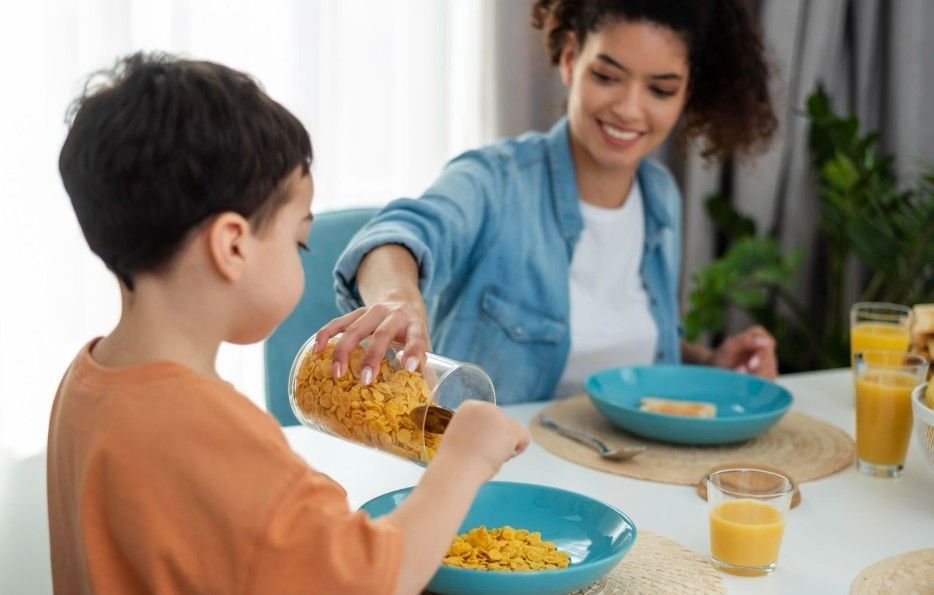
Positive conversation keeps children engaged and excited about family dinners. Ask simple questions such as what made them smile today or something interesting they learned in school. Encouraging curiosity and storytelling strengthens the benefits of family meals for children because kids feel heard and valued during those moments.
Let Children Participate in Meal Preparation
Children enjoy meals more when they help create them. Even simple tasks such as washing vegetables or setting the table make them feel involved. Participation also reduces picky eating. When kids take part in preparing food, they become more willing to taste new dishes and develop healthier relationships with food.
Frequently Asked Questions
1. How often should families eat together to see the benefits of family meals for children?
Most research suggests that three shared meals per week can provide noticeable benefits. Even fewer meals can still help if the time together includes conversation and connection. The key factor is consistency and engagement rather than perfection.
2. What if my family schedule makes dinner together difficult?
Busy schedules are common. Breakfast or weekend lunches can work just as well as dinner. The important part is sitting together without distractions and creating a routine that allows children to feel connected.
3. Do teenagers still benefit from family meals?
Yes. Teenagers often appear independent, but they still benefit from regular family meals. Shared dinners provide opportunities for parents to check in emotionally and maintain open communication during a stage when guidance remains important.
4. What should families talk about during meals?
Simple topics work best. Ask about school experiences, favorite moments of the day, or future plans. Positive conversations create a relaxed atmosphere that encourages children to speak openly and enjoy the time together.
A Simple Habit With Lifelong Impact
The benefits of family meals for children come from something surprisingly simple. Sitting together regularly creates opportunities for learning, connection, and emotional support. Those everyday conversations quietly build confidence, encourages independence in children, communication skills, and healthy habits.
In my experience, the most memorable family dinners are not the perfect ones. They are the evenings filled with laughter, unexpected stories, and honest conversations. If you start with just a few shared meals each week, you may discover that the benefits of family meals for children grow into one of the most meaningful traditions in your family life.