
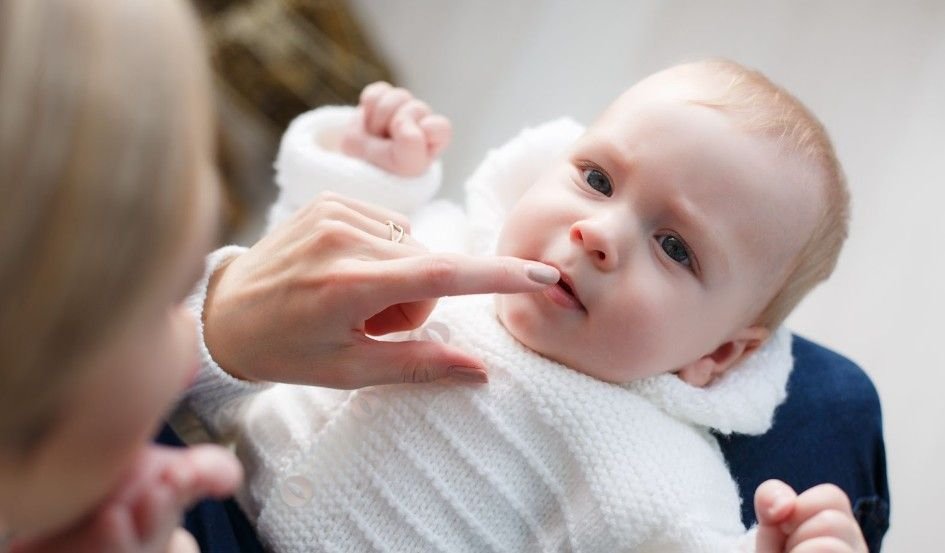
If you are reading this, chances are you have experienced your toddler biting. The truth is that toddler biting is more common than most parents realize. It usually happens because toddlers are still learning how to communicate big feelings with very limited language skills.
Understanding why toddlers bite and how to stop it can make this stage much easier to handle. When you know the reasons behind the behavior and the right way to respond, you can guide your child calmly and help them develop healthier ways to express themselves.
Why toddlers bite and how to stop it starts with understanding the causes
Communication gaps
One of the most common reasons toddlers bite is the inability to express emotions with words. A toddler may feel frustrated when another child grabs a toy or interrupts play. Since they cannot fully communicate their feelings, biting becomes a quick reaction.
When toddlers begin learning simple words such as “mine,” “help,” or “stop,” biting often decreases. Language development plays a huge role in reducing these behaviors over time.
Teething discomfort
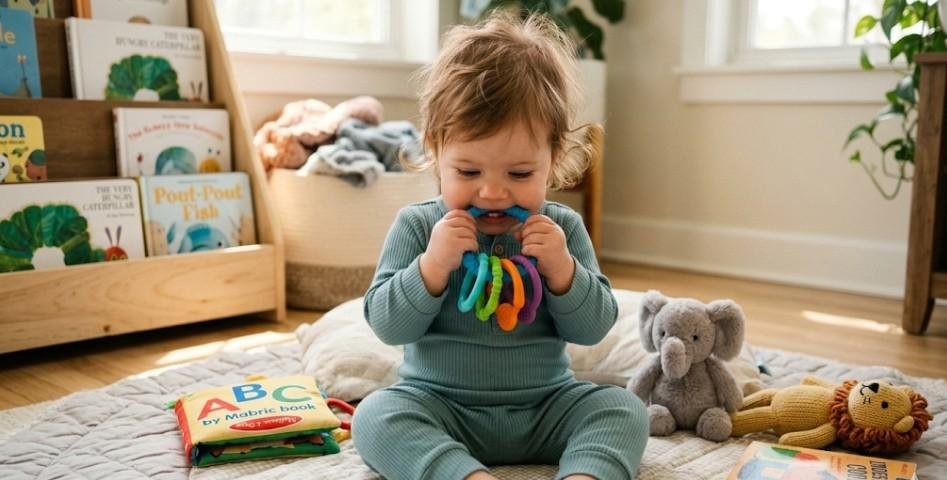
Teething can cause swollen gums and physical discomfort. During this stage, biting provides temporary relief from gum pressure. Toddlers may bite toys, furniture, or even people because the sensation feels soothing.
Providing safe teething options such as silicone teethers or cold washcloths can help redirect this natural urge in a safe way.
Sensory exploration
Toddlers often explore objects and people through touch and taste. Biting may simply be part of sensory curiosity. They are learning what different textures feel like and how people react.
Although this exploration is normal, it still needs guidance. Parents can gently redirect the behavior while teaching that biting people is not acceptable.
Curiosity about cause and effect
When baby teeth come in, it becomes another reason toddlers bite involves curiosity about reactions. When a child bites and hears a loud “Ouch!” or sees a big response from adults, they become interested in that cause and effect pattern.
This does not mean the child wants to hurt someone. Instead, they are experimenting with how their actions affect the world around them.
Need for control
Toddlers often crave independence and control over their environment. When a toy is taken away or when they feel powerless during play, biting may become a way to regain control in the situation.
Teaching toddlers gentle ways to ask for turns or request help helps reduce this behavior over time.
Overstimulation

Busy environments such as crowded playgroups, daycare rooms, or loud family gatherings can overwhelm toddlers. When sensory input becomes too intense, biting may appear as a quick emotional release. Providing quiet breaks or calm spaces can help prevent these moments of overstimulation.
What should parents do immediately when a toddler bites?
When a bite happens, your reaction shapes how your toddler understands the behavior. A calm and consistent response helps them learn boundaries without creating fear or shame.
Stay calm and firm
It is natural to feel upset when biting occurs, but yelling or reacting dramatically can actually reinforce the behavior. Toddlers often repeat actions that receive big emotional responses.
Instead, respond calmly and firmly with a short statement such as “No biting. Biting hurts.” Simple language works best because toddlers process brief instructions more easily than long explanations.
Use clear and simple language
After the incident, repeat a short message that explains the rule. Phrases like “Teeth are for food, not for people” or “We use gentle hands” help toddlers understand expectations over time.
Consistency matters more than complexity. Using the same calm phrase each time reinforces the message.
Comfort the child who was bitten

Immediately give attention to the child who was hurt. This shows your toddler that biting results in losing attention rather than gaining it. Over time, toddlers begin to understand empathy and consequences through this response.
Redirect the toddler
After addressing the situation, redirect your child toward another activity. Moving them to a new toy, a quiet area, or a calming activity helps reset their emotional state. Redirection works well because toddlers shift attention quickly when given a new focus.
Avoid retaliation
Some people suggest biting a child back to teach them how it feels. Child development experts strongly discourage this approach. Retaliation sends the confusing message that biting is acceptable under certain circumstances. Gentle teaching and consistent guidance are much more effective.
How can parents prevent biting before it starts?
Identify triggers
The first step in prevention is observation. Pay attention to when biting usually occurs. It might happen when your child is tired, hungry, frustrated, or competing for toys. Once you recognize these patterns, you can intervene earlier before emotions escalate.
Teach alternative communication
Encourage toddlers to use simple words or gestures to express needs. Teaching phrases like “my turn,” “help,” or “stop” gives them better tools for communication. Role playing and practicing these words during calm moments can make a big difference.
Provide safe biting options
If biting is related to teething or sensory needs, offer safe alternatives. Chewable toys, crunchy snacks, or cold teethers can satisfy the urge without harming anyone. Giving toddlers an acceptable outlet helps them learn the difference between safe and unsafe behaviors.
Praise gentle behavior
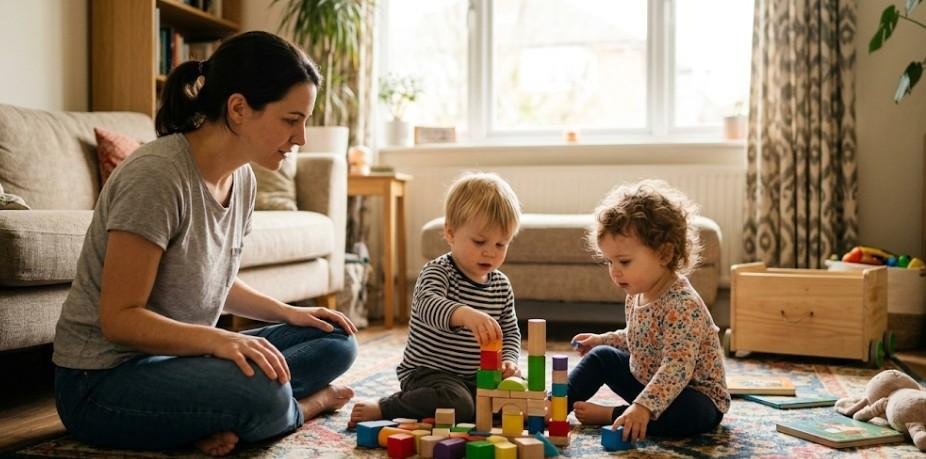
Positive reinforcement is one of the most powerful parenting tools. When your child shares toys, uses words, or plays gently, acknowledge the behavior immediately. Simple praise like “I love how you asked for a turn” reinforces the positive behavior you want to see more often.
Use books and visual tools
Children often learn well through stories and visuals. Books that teach boundaries and social skills can help toddlers understand the concept of gentle play. Reading together about kindness and empathy builds emotional awareness in a relaxed way.
How to why toddlers bite and how to stop it Step by Step
The first step is observing patterns. Watch when biting occurs and what situations lead up to it. You might notice it happens during toy conflicts, when your toddler feels tired, or during busy play environments. Identifying these triggers allows you to anticipate and manage situations earlier.
The second step is teaching alternative responses. Show your toddler how to express frustration using words or simple gestures. Practicing phrases like “help please” or “my turn” during calm moments helps them remember these options when emotions rise.
The third step is reinforcing positive behavior. When your child handles a difficult situation without biting, offer praise and encouragement. Positive reinforcement strengthens good habits and gradually replaces biting with healthier communication.
Frequently Asked Questions
1. Is biting normal for toddlers?
Yes, biting is a common developmental behavior in children between one and three years old. During this stage, toddlers are still learning how to communicate emotions and control impulses. Most children naturally outgrow biting as their language and social skills improve.
2. Why does my toddler bite when excited?
Excitement can overwhelm toddlers just as easily as frustration. When emotions become intense, toddlers may respond physically. Teaching calming strategies and helping them express excitement through words or gestures can reduce this behavior over time.
3. Should I punish my toddler for biting?
Harsh punishment usually does not help and may create fear or confusion. Toddlers respond better to calm guidance, clear boundaries, and consistent responses. Focus on teaching appropriate behavior rather than shaming or punishing the child.
4. When should parents seek professional advice?
If biting continues beyond age three or becomes frequent and aggressive, it may help to consult a pediatrician or child development specialist. They can evaluate emotional, developmental, or environmental factors that might contribute to persistent biting behavior.
Conclusion
Understanding why toddlers bite and how to stop it helps parents respond with patience instead of panic. Biting usually reflects communication struggles, sensory exploration, or emotional overwhelm rather than intentional harm. It is a very common phenomena during baby growth spurts.
With calm responses, clear guidance, and consistent teaching, most toddlers learn better ways to express their needs. As language skills grow and emotional control improves, biting typically fades away.