

I have a small confession. When my toddler first tried to say “banana,” it sounded like “ba-na.” That funny moment pushed me to explore speech development tips for toddlers. I soon realized toddlers understand far more than they can say. With the right daily habits, you can turn everyday conversations into powerful opportunities for language growth.
What Daily Interaction Strategies Improve Speech Development Tips for Toddlers?
Daily interaction is one of the most powerful ways to encourage speech development. Simple communication habits can turn routine activities into meaningful language lessons.
Narrate Daily Life
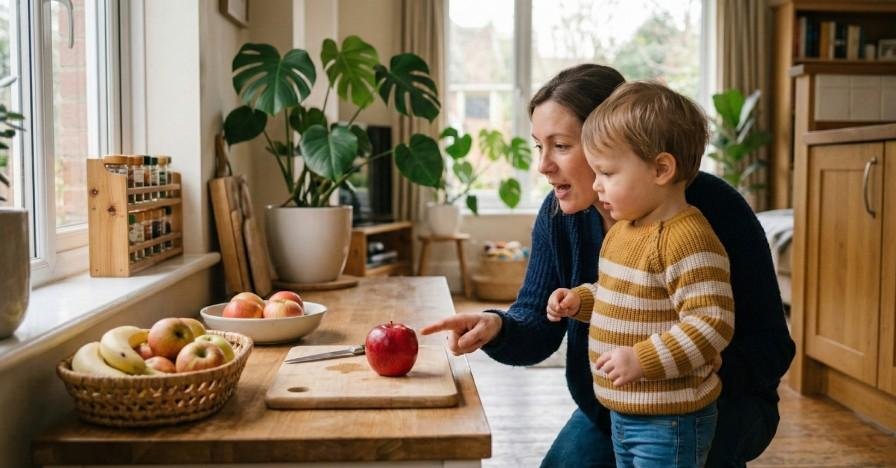
Talking through daily routines is one of the easiest speech development tips for toddlers. Describe what you are doing as it happens. For example, say “I am washing the red apple” or “Now we are putting on your blue shoes.”
This helps toddlers connect words with real experiences. Repetition during routines also strengthens vocabulary. Hearing the same words while watching actions helps children understand meaning and eventually imitate the words themselves.
Get on Their Level
Getting physically down to your toddler’s eye level improves communication. When you kneel or sit beside them, they can see how your mouth forms sounds and words. This visual connection makes speech easier to imitate.
Being at eye level also helps toddlers stay engaged in conversation. It creates a feeling of attention and connection that encourages them to participate.
Follow Their Lead
One of the best speech development tips for toddlers is talking about what already interests them. If your child points to a dog or a toy car, describe it. You might say “Yes, that is a big brown dog” or “That red car is fast.” Following your toddler’s focus helps them stay interested in the interaction. Children learn faster when language connects to things they are already curious about.
The Wait Technique
Patience plays a powerful role in speech development. After asking a question or making a comment, pause for five to ten seconds. This wait time allows your child’s brain to process language and attempt a response.
Many toddlers need extra time to organize words. When parents wait instead of immediately speaking again, children feel encouraged to try communicating.
Offer Choices
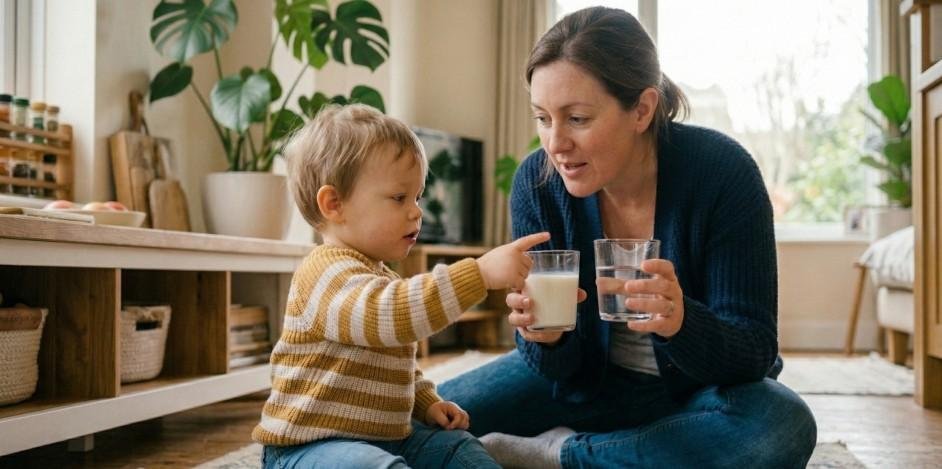
Offering choices encourages toddlers to use specific words. Instead of asking “Do you want milk,” hold up two options and ask “Do you want milk or water?” This strategy motivates children to respond verbally or point intentionally. Choice questions naturally create communication opportunities throughout the day.
What Play and Learning Activities Support Speech Development Tips for Toddlers?
Play is a natural learning tool for toddlers. When communication becomes part of games and activities, children practice language without pressure.
Read Interactively
Interactive read alouds are one of the most enjoyable speech development tips for toddlers. Instead of only reading the text, point to pictures and ask simple questions. Ask things like “Where is the kitty” or “What color is the ball.”
This approach turns reading into a conversation. Toddlers start recognizing words and associating them with images.
Sing and Rhyme
Songs and rhymes help toddlers predict and remember sounds. Simple songs such as “Old MacDonald” or “The Itsy Bitsy Spider” use repetition and rhythm to reinforce language patterns. Singing also strengthens listening skills and encourages imitation. Toddlers often try repeating fun sounds or animal noises during songs.
Expand Their Words
Expanding a child’s words is a simple but effective speech strategy. When a toddler says one word, repeat it and add another word.
For example, if they say “car,” respond with “blue car” or “fast car.” This method gently models longer phrases. Children hear how words connect without feeling corrected or pressured.
Create Communication Temptations
Creating small challenges can encourage toddlers to communicate. Place favorite toys in clear containers where your child can see them but needs help opening them. This motivates the child to ask or gesture for assistance. These playful situations naturally encourage communication attempts.
What Important Do’s and Don’ts Improve Speech Development Tips for Toddlers?
Parents sometimes worry about correcting speech mistakes. However, modeling correct language works better than constant correction. You can let you child do creative homeschooling activities that help with speech.
Do Model Correct Words
If your toddler says “wawa,” avoid saying the word is wrong. Instead respond naturally with the correct version. You might say “Yes, here is your water.” This approach teaches correct pronunciation without discouraging attempts to speak.
Limit Screen Time
Too much passive screen time can reduce opportunities for conversation. Toddlers learn language best through real interaction with people. Talking, reading, and playing together provide richer language experiences than watching videos alone.
Avoid Constant Testing
Constantly asking questions like “What is this” can create pressure for toddlers. Instead use descriptive statements that celebrate their activities. Saying “Look at the tall tower you built” encourages conversation without making children feel tested.
How to Speech Development Tips for Toddlers Step by Step

Create a Language-Rich Environment
Start by talking often during everyday routines like cooking, dressing, or walking outside. Describe objects, actions, and feelings so your toddler hears a variety of words throughout the day. These small conversations help with speech and language development naturally.
Respond to Communication Attempts
Celebrate every effort your child makes to communicate. Gestures, babbling, or partial words all count. When you acknowledge their attempts and add a word or two, toddlers learn that speaking helps them connect with you.
Give Time to Respond
Ask simple questions and pause for a few seconds. This wait time allows your toddler to process what you said and try responding.
Make Language Fun
Use songs, games, and playful storytelling to encourage talking. When communication feels fun, toddlers become more eager to experiment with new sounds and words.
Frequently Asked Questions
1. What age should toddlers start talking clearly?
Most toddlers say their first words around twelve months and begin combining simple words between eighteen and twenty four months. Clearer speech usually develops closer to age three. Every child develops at their own pace, so gradual progress and consistent communication matter most.
2. How many words should a two year old know?
Many two year olds use about fifty words or more and start forming two word phrases such as “more juice” or “big truck.” Some children learn faster while others take longer. Regular conversation, reading, and play help expand vocabulary naturally.
3. Can screen time slow speech development?
Yes excessive screen time can reduce opportunities for real conversation. Toddlers learn language through interactive communication with caregivers. Face to face interaction provides richer cues like tone, facial expressions, and gestures that help children understand and practice language.
4. When should parents seek professional help?
If a toddler is not using around fifty words or two word phrases by age two, it may be helpful to speak with a pediatrician or speech language pathologist. Early guidance can support communication development and identify any hearing or language concerns.
Final Thoughts on Speech Development Tips for Toddlers
Supporting language growth does not require complicated lessons or strict training. The most effective speech development tips for toddlers simply involve talking, listening, and engaging with your child throughout the day.
Everyday routines like reading stories, singing songs, and describing activities can build strong language skills over time. Remember that toddlers often understand far more than they can say. With patience, encouragement, and consistent interaction, those early babbles slowly transform into real conversations.