The first time my baby soaked through two bibs before lunchtime, I stared at the pile of damp cloths and wondered what was going on. I kept wiping his chin, changing shirts, and asking myself the same question many parents eventually search online: baby drooling a lot, what does it mean? If you have found yourself wondering the same thing, you are definitely not alone.
Understanding a baby drooling a lot can help you relax and enjoy this stage instead of worrying about it. In most cases, drooling simply shows that your baby’s body is growing, learning, and preparing for new developmental milestones.
Why Babies Drool
When parents notice saliva constantly running down their baby’s chin, they naturally start wondering baby drooling a lot what does it mean. The truth is that drooling usually reflects healthy development rather than a problem.
Babies begin producing more saliva as their digestive system matures and their oral muscles develop. Since young babies cannot fully control swallowing yet, some of that saliva simply escapes the mouth. This stage is very common between three and six months of age.
Drooling in children can also increase when babies explore the world with their mouths. They chew on toys, fingers, and blankets as part of sensory development. These actions stimulate the salivary glands, which leads to even more drool.
Immature Muscles and Oral Coordination
One important reason behind baby drooling a lot what does it mean relates to muscle development. Babies younger than 18 to 24 months still lack full control over their swallowing muscles and mouth coordination.
Because their oral muscles are still learning to work together, babies may not swallow saliva efficiently. Instead of being swallowed automatically, saliva gathers and dribbles out of the mouth.
As babies grow and gain better muscle control, drooling gradually decreases. This is why most toddlers naturally drool less as they approach their second birthday.
Teething and Gum Sensitivity
Another common explanation parents hear when searching a baby drooling a lot what does it mean involves teething. Many babies start drooling more around three to six months, even before the first tooth becomes visible.
Teething stimulates the gums and increases saliva production. The extra saliva can help soothe irritated gums as teeth begin pushing through the gum line.
Some babies drool heavily for several weeks before a tooth appears. During this stage, you might also notice chewing behavior, swollen gums, or increased fussiness.
Digestion and Saliva Production
This is very common during growth spurts as drooling also plays a role in preparing a baby’s digestive system. Saliva contains enzymes that help break down certain foods once babies begin eating solids.
One important enzyme in saliva is amylase, which helps break down starches. Even before babies start eating solid foods, their bodies begin producing saliva to prepare for this upcoming developmental stage.
This process explains why drooling can increase as babies grow older and their digestive system becomes more active.
Oral Exploration and Sensory Development
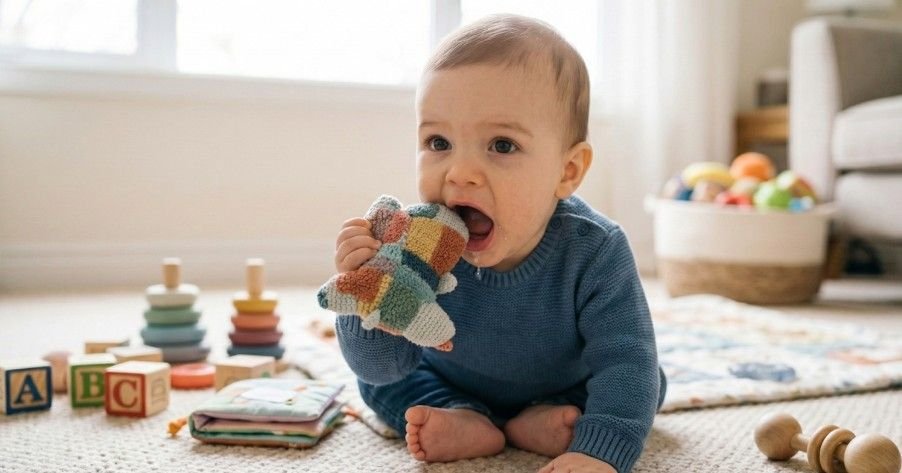
Babies explore the world with their mouths long before they can talk or walk. When babies chew on toys, blankets, or their own hands, sensory receptors in the mouth send signals to the brain. These signals trigger saliva production as part of a natural reflex. The result is more drooling during periods of intense exploration and chewing.
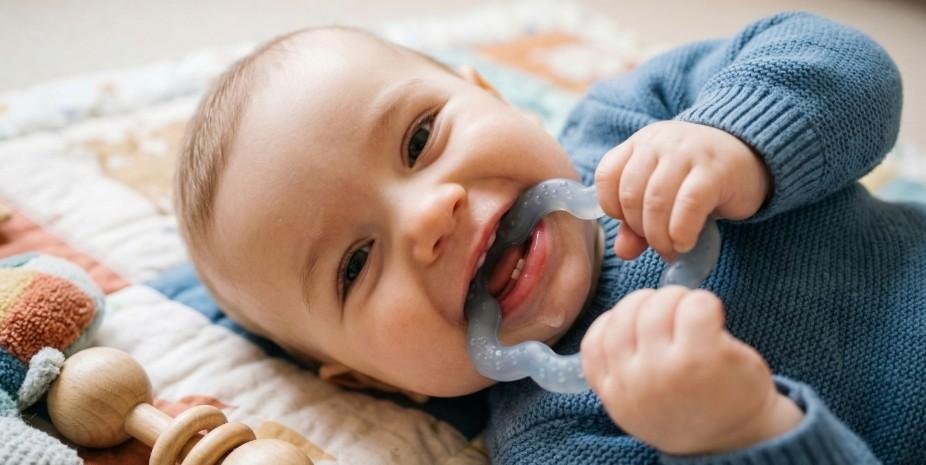
Parents may notice that drooling increases during playtime when babies frequently place objects in their mouths. This behavior is completely normal and actually supports brain development.
Benefits of Drool
While it might feel messy, drool actually serves several helpful functions in your baby’s development. Understanding these benefits helps parents better understand baby drooling a lot what does it mean.
Saliva acts as a natural cleaning system inside the mouth. It helps wash away food particles and bacteria, protecting new teeth as they begin to emerge.
Drool also keeps the mouth moist and lubricated, which makes swallowing easier for babies who are still learning oral coordination. In addition, saliva contains antibodies and protective proteins that support the immune system. Because of these benefits, drooling is not just normal but actually useful for your baby’s health.
When to Be Concerned
Although drooling is usually harmless, there are a few situations where parents should pay closer attention. Understanding baby drooling a lot what does it mean also involves knowing when something might require medical advice.
Sudden excessive drooling that appears alongside illness symptoms could indicate an infection or irritation in the throat. Fever, vomiting, congestion, or breathing difficulty should always be evaluated by a pediatrician.
Parents should also watch for swallowing difficulties. Frequent choking, gagging, or trouble swallowing may signal a problem that needs professional attention.
Finally, severe drooling that continues well beyond the toddler years may suggest oral muscle coordination challenges. In those rare cases, a pediatric specialist may evaluate muscle control or neurological development.
How to Baby Drooling a Lot What Does It Mean Step by Step
When parents search baby drooling a lot what does it mean, they often want practical ways to manage the mess and keep their baby comfortable. Creating a simple routine can make drooling much easier to handle.
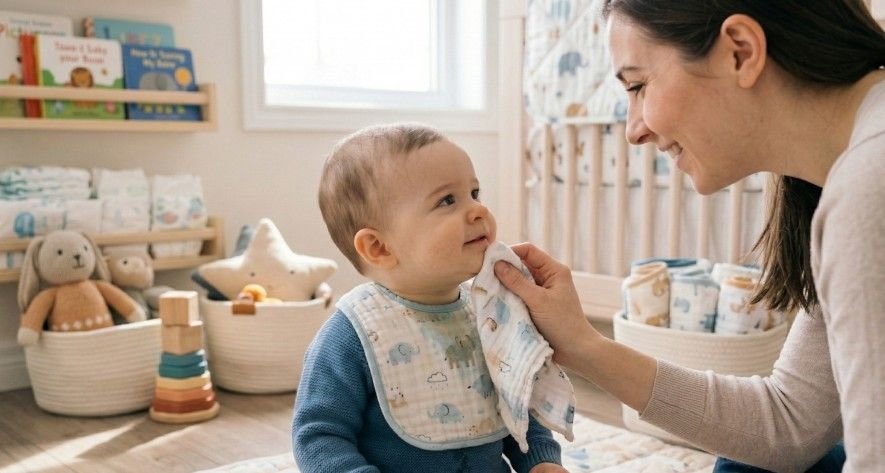
- First, keep several soft absorbent bibs available throughout the day. Changing bibs frequently prevents moisture from soaking clothing and keeps the baby’s neck area dry.
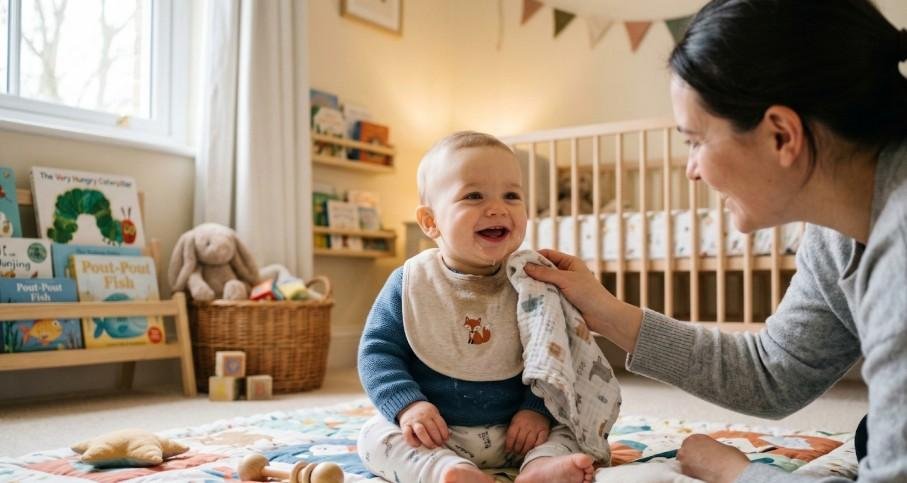
- Next, gently wipe your baby’s chin and mouth with a soft cloth whenever saliva builds up. This habit helps reduce skin irritation and prevents drool rash from developing.
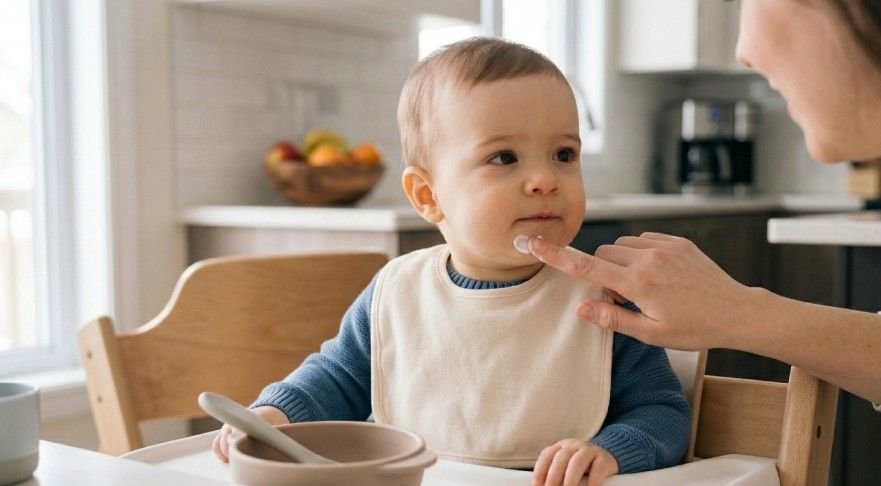
- Then, monitor your baby’s skin carefully. If you notice redness or irritation around the chin or neck, apply a thin layer of protective barrier ointment such as petroleum jelly or baby-safe skin protectant.
- Finally, provide safe teething toys for babies who enjoy chewing. Teething rings or textured toys can soothe the gums and reduce excessive drooling caused by gum discomfort.
Frequently Asked Questions
1. Is it normal if my baby drools constantly?
Yes, it is very normal. Babies commonly drool more between three and six months because their saliva production increases while their swallowing muscles are still developing. As oral coordination improves and teeth emerge, drooling gradually becomes less frequent.
2. Does drooling always mean my baby is teething?
Not necessarily. Teething can increase drooling, but babies often drool long before their first tooth appears. Increased saliva production, oral exploration, and immature swallowing muscles all contribute to drooling during early infancy.
3. How can I prevent drool rash on my baby’s skin?
Keep the skin around your baby’s chin and neck dry as much as possible. Use absorbent bibs, gently wipe saliva frequently, and apply a thin layer of barrier ointment to protect the skin from constant moisture.
4. When should parents worry about drooling?
Parents should consult a pediatrician if drooling appears suddenly with fever, difficulty swallowing, breathing problems, or choking. These symptoms are uncommon but may indicate throat infections, irritation, or other medical concerns that need evaluation.
Final Thoughts on Baby Drooling a Lot What Does It Mean
If you have been wondering baby drooling a lot what does it mean, the reassuring answer is that drooling is usually a completely normal part of infant development. Babies drool because their bodies are learning to control saliva, their digestive system is preparing for new foods, and their gums are responding to early teething stages.
Although the extra laundry and constant wiping might feel frustrating, drooling actually supports your baby’s health in many ways. It protects the mouth, prepares the digestive system, and plays a role in sensory exploration.