
I still remember the first time I held my cousin’s newborn while he had hiccups. His tiny chest made those little “hic” sounds every few seconds, and I instantly wondered if something was wrong. Like many new parents and caregivers, I searched for how to reduce hiccups in newborns because I wanted to help him feel comfortable.
Newborn hiccups are surprisingly common. In most cases, they happen because a baby’s stomach fills quickly or because the baby swallows extra air during feeding. That air can irritate the diaphragm, which causes the tiny spasms we hear as hiccups.
Why Do Newborns Get Hiccups So Frequently?
Newborn hiccups happen because a baby’s digestive system and diaphragm are still developing. You can always burp your baby. Because when the diaphragm contracts suddenly, the vocal cords close quickly and create the familiar hiccup sound. This reaction is normal during the early months of life.
A full stomach can also trigger hiccups. When babies eat quickly or swallow air during feeding, their stomach expands and presses against the diaphragm. That pressure can cause spasms that lead to hiccups.
Many pediatricians explain that hiccups even occur before birth. Babies experience them while still in the womb as part of their breathing and swallowing development. Because of this, hiccups after birth are usually nothing to worry about.
How Feeding Habits Help Reduce Hiccups in Newborns?
Feeding habits play a major role in preventing hiccups. Babies often swallow small pockets of air during feeding, especially if they are very hungry or feeding too quickly. Slowing the feeding process can reduce that air intake.
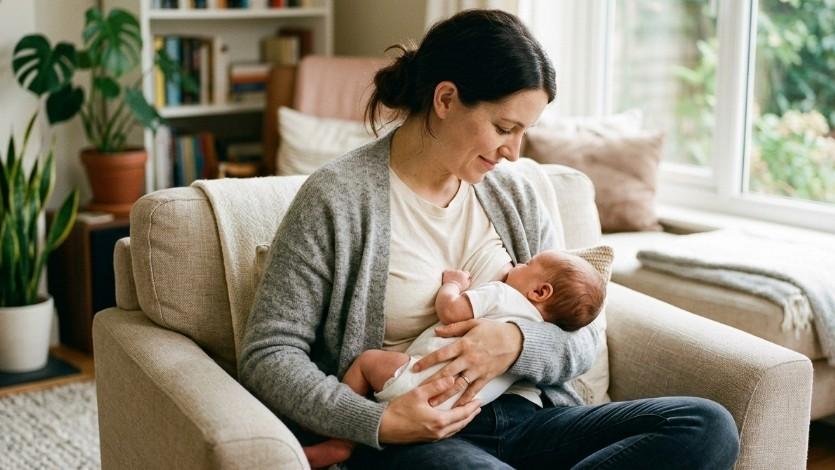
Burping during feeds is another helpful habit. Releasing trapped air from the stomach reduces pressure on the diaphragm and often stops hiccups before they start.
Position also matters during feeding. Holding your baby slightly upright allows milk to flow more smoothly and prevents excess air from entering the stomach. These small adjustments can make a noticeable difference in reducing hiccups.
What Gentle Techniques Help When Hiccups Start
When hiccups begin, gentle comfort techniques can help the diaphragm relax. One simple option is offering a pacifier. The steady sucking motion can calm the diaphragm and help hiccups fade naturally.
Changing your baby’s position can also help. Holding the baby upright on your shoulder or sitting them on your lap may relieve pressure on the diaphragm and support digestion.
Sometimes hiccups simply need a little time to pass. If your baby looks relaxed and comfortable, allowing them to rest quietly while you hold them upright often works surprisingly well.
How to Reduce Hiccups in Newborns Step by Step
Step 1: Pause feeding and allow the stomach to settle
When hiccups begin during feeding, the first thing I usually do is pause the feed for a few minutes. This gives the baby’s stomach time to settle and prevents additional air from entering the digestive system.
A short break of five to ten minutes can often stop hiccups naturally. During this pause, I hold the baby upright so the diaphragm can relax.
Step 2: Gently burp your baby
Burping is one of the most effective ways to stop hiccups. I place the baby against my shoulder and gently pat their back in a soft rhythm. This helps release trapped gas that might be irritating the diaphragm.
Once the air bubble escapes, hiccups often disappear quickly. Even if hiccups continue briefly, burping reduces discomfort and supports digestion.
Step 3: Offer a pacifier for rhythmic sucking

If hiccups continue after burping, offering a pacifier may help calm the diaphragm. The steady sucking motion helps regulate breathing patterns and can stop the spasms causing hiccups.
Many babies relax quickly when sucking on a pacifier. As their breathing becomes more regular, the hiccups often fade away naturally.
Step 4: Keep your baby upright for digestion
After feeding or during hiccups, keeping the baby upright for several minutes can help. This position supports digestion and prevents the stomach from pressing against the diaphragm.
I usually hold the baby upright for 20 to 30 minutes after feeding. This simple habit not only reduces hiccups but also helps minimize spit-up.
How Can You Prevent Hiccups Before They Start?
Prevention often begins with calmer feeding routines. Feeding your baby before they become overly hungry reduces frantic sucking and limits the amount of air swallowed during feeding.
Paced feeding can also help. Bottle-fed babies may benefit from brief pauses every few ounces, while breastfed babies can take natural breaks when switching sides.
Checking the baby’s latch or bottle position is equally important. A deep latch during breastfeeding and a milk-filled bottle nipple prevent air from entering the stomach and triggering hiccups.
Things Parents Must Avoid When Trying to Stop Hiccups

Many traditional hiccup remedies used for adults are not safe for babies. Methods like startling a baby or giving them water should never be attempted.
Newborns should only consume breast milk or formula. Introducing water or other liquids to stop hiccups can interfere with feeding and digestion.
Other unsafe practices include pulling the baby’s tongue, pinching their nose, or bouncing them vigorously. Gentle care and patience remain the safest and most effective approach.
When To Contact a Pediatrician
Hiccups usually stop within a few minutes and do not cause discomfort. However, there are situations where medical advice may be helpful.
If hiccups last longer than 10 to 15 minutes frequently or seem to interfere with feeding and sleep, it may be worth mentioning to a pediatrician.
Other warning signs include frequent vomiting, excessive irritability, arching of the back during feeding, or poor weight gain. These symptoms could suggest reflux or another digestive concern that requires professional guidance.
Frequently Asked Questions
1. How to reduce hiccups in newborns quickly?
The quickest way to stop hiccups is usually to burp your baby or pause feeding for a few minutes. Holding the baby upright and offering a pacifier can also relax the diaphragm and help hiccups disappear naturally.
2. Are hiccups uncomfortable for newborns?
Most babies are not bothered by hiccups at all. They often continue feeding, sleeping, or looking around normally. If the baby appears calm and content, the hiccups are usually harmless and will stop on their own within a few minutes.
3. Can feeding too quickly cause hiccups?
Yes, feeding too quickly can cause babies to swallow extra air, which may trigger hiccups. Slowing down feedings, using paced feeding, and burping regularly can significantly reduce how often hiccups occur.
4. When should I worry about newborn hiccups?
Occasional hiccups are normal. However, if they happen very frequently, last longer than 15 minutes regularly, or are accompanied by vomiting or discomfort, it is best to consult a pediatrician for further evaluation.
Final Thoughts on How to Reduce Hiccups in Newborns
Learning how to reduce hiccups in newborns becomes easier once you understand what triggers them. Most hiccups happen because of feeding habits, swallowed air, or the natural development of a baby’s diaphragm.
Gentle actions like burping, paced feeding, upright positioning, and calm feeding routines can make a big difference. Over time, you will begin to recognize what works best for your baby.
Remember that hiccups are usually a harmless part of newborn development. With patience, simple techniques, and a little experience, you will confidently know how to reduce hiccups in newborns whenever they appear.