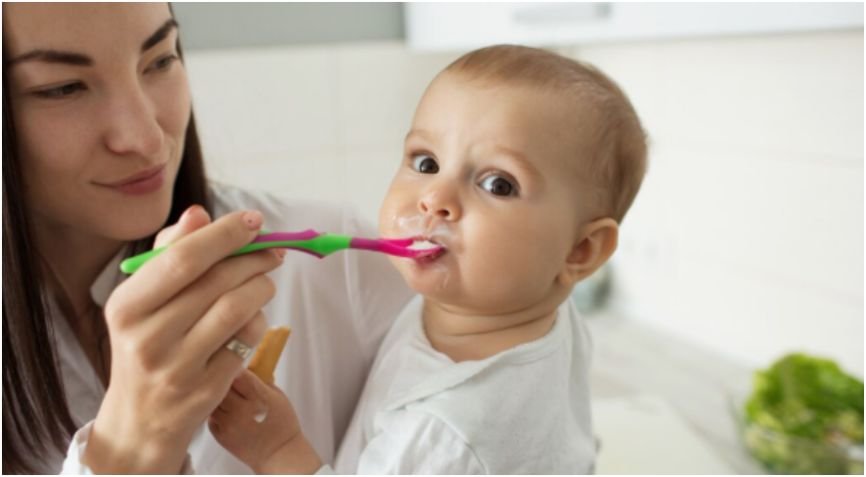
Many new parents wonder when the right time is to introduce solid foods. I remember how confusing it felt when a baby in my family suddenly started watching our plates during dinner and reaching toward the food. That curiosity made us question whether it was time to start something beyond milk.
Understanding the signs your baby is ready for solid foods helps parents introduce new foods safely and confidently. Babies develop feeding skills gradually, and recognizing these signals prevents starting too early or waiting too long.
Most pediatric experts recommend beginning solids around six months, but every baby develops at a slightly different pace. Watching developmental cues provides a better guide than focusing only on age.
In this guide, I explain the signs your baby is ready for solid foods, along with practical tips for introducing first foods and building healthy feeding habits.
Key Takeaways
- Most babies begin solid foods around six months of age.
- Physical and behavioral cues indicate when babies are ready to try solids.
- Breast milk or formula remains the primary nutrition source during the first year.
- Introducing foods gradually helps babies adjust safely and comfortably.
When Do Babies Usually Start Solid Foods?

Health experts widely recommend starting solids around six months of age. Organizations such as the American Academy of Pediatrics and the World Health Organization suggest introducing solid foods while continuing breast milk or formula.
Before this stage, babies rely entirely on milk for nutrition. Their digestive systems and swallowing coordination are still developing, which makes early feeding risky.
Once babies reach the right developmental stage, solid foods support growth, motor skills, and exposure to new textures and flavors.
What Are the Main Signs Your Baby Is Ready for Solid Foods?
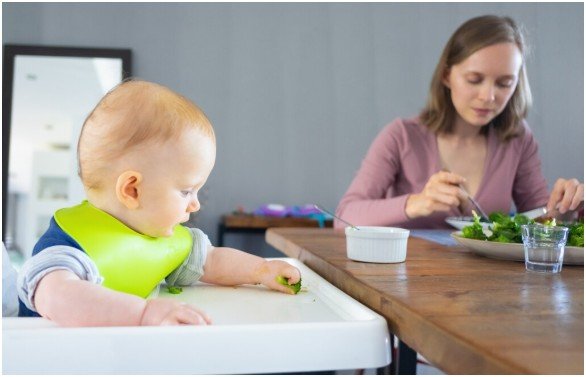
Parents should look for developmental signals like when do babies teeth come in, rather than focusing only on age. Several physical and behavioral cues show readiness.
Baby Can Sit With Support
One of the clearest signs your baby is ready for solid foods is improved head and neck control.
When babies can sit upright with support and hold their head steady, they can swallow food more safely. Proper posture helps prevent choking and supports coordinated swallowing.
Baby Shows Interest in Food
Babies often become curious about food before starting solids.If your baby watches you eat closely, reaches for food, or opens their mouth when a spoon approaches, these behaviors show growing interest in eating.
Loss of Tongue-Thrust Reflex
Newborns naturally push objects out of their mouths using a reflex called the tongue-thrust reflex.
As babies grow, this reflex gradually disappears. When babies begin moving food toward the back of the mouth instead of pushing it out, they may be ready for solid foods.
Baby Can Grab Objects
Another developmental cue involves hand coordination.
Babies who can grasp objects and bring them to their mouth demonstrate improved motor control. This skill helps them explore food and practice self-feeding later.
These signals together help parents identify the signs your baby is ready for solid foods.
Why Is It Important Not to Start Solids Too Early?
Starting solids before a baby is ready can create several challenges.
Babies who start solids too early may face choking risks because they cannot coordinate chewing and swallowing effectively. Their digestive system may also struggle to process certain foods.
Early introduction may also reduce breast milk or formula intake, which still provides most of the baby’s nutrition during the first year.
Waiting for clear readiness cues helps ensure feeding transitions remain safe and comfortable.
How Should Parents Introduce Solid Foods?
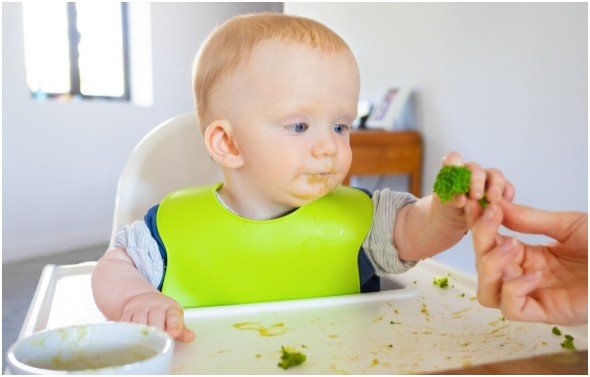
Introducing solids should happen gradually and in a relaxed environment.
Parents can begin with small portions of soft foods such as mashed vegetables, fruit puree, or iron-fortified baby cereal. Offering one new food at a time helps identify possible food sensitivities or allergies.
Feeding sessions should remain calm and pressure-free. Babies may only taste small amounts at first, and that is completely normal.
Milk feedings should continue alongside solids because breast milk or formula remains the baby’s main nutrition source.
Following these steps helps parents introduce foods safely after noticing the signs your baby is ready for solid foods.
What Are Good First Foods for Babies?
Choosing the right foods helps babies adjust comfortably to solids.
Iron-rich foods are often recommended as first foods because infants need additional iron after six months. Iron-fortified baby cereal, pureed lentils, and mashed vegetables can provide important nutrients.
Soft fruits such as mashed banana, avocado, or cooked apples also work well for beginners. These foods offer gentle flavors and smooth textures that babies can swallow easily.
Parents should avoid honey, ultra processed foods, and excessive salt when introducing solids.
Providing a variety of healthy foods encourages balanced eating habits early in life.
What Mistakes Should Parents Avoid When Starting Solids?
Some feeding mistakes can make the transition more difficult.
One common mistake involves forcing babies to eat. Babies need time to explore flavors and textures, and pressure may create negative feeding experiences.
Another mistake is introducing many foods at once. Gradual introduction allows parents to monitor reactions and helps babies adapt slowly.
Parents should also remember that every baby learns at a different pace. Patience plays an important role during early feeding stages.
Avoiding these mistakes helps parents manage the transition smoothly.
Frequently Asked Questions
1. At what age should babies start solid foods?
Most babies begin solids around six months of age once developmental readiness signs appear.
2. Can babies start solids at four months?
Some babies may show early readiness, but most pediatric experts recommend waiting until about six months.
3. How much solid food should babies eat at first?
Babies usually start with a few spoonfuls while milk remains their primary source of nutrition.
4. What foods should babies avoid when starting solids?
Parents should avoid honey, added sugar, excessive salt, and choking hazards like whole nuts.
Supporting Your Baby’s First Food Journey
Recognizing the signs your baby is ready for solid foods allows parents to introduce meals at the most appropriate time.
Each baby develops at a unique pace, so observing physical and behavioral cues helps guide feeding decisions. Once babies demonstrate readiness, solid foods become an exciting new stage of growth and discovery.
By starting slowly, choosing nutritious foods, and maintaining a calm feeding environment, parents can help babies develop positive eating habits that support long-term health.
The journey of introducing solids often becomes a joyful milestone as babies experience new tastes and textures for the first time.