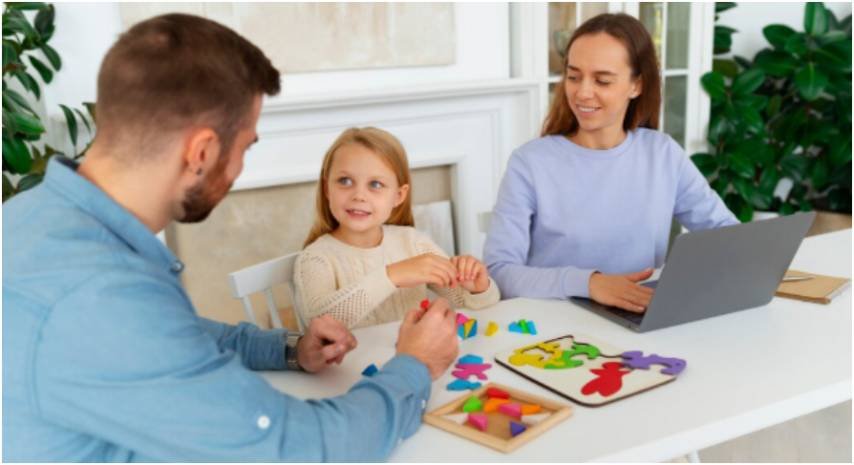

One afternoon my nephew burst into tears because his toy car would not fit through a tiny Lego garage. At first it seemed like a small problem, but to him it felt like the end of the world. Instead of saying he felt frustrated, he just cried and pushed the toys away. Moments like this remind me how important helping kids express feelings really is. Children feel powerful emotions long before they know how to describe them.
Why Do Children Struggle With Expressing Emotions?
Children often feel emotions more intensely than adults, but their brains are still learning how to communicate those feelings. When a child feels overwhelmed, their reaction may appear as crying, yelling, or withdrawing because they cannot yet translate emotions into clear words. Their emotional brain develops faster than their language skills.
Another reason children struggle is fear of judgment or misunderstanding. If they believe their feelings will be dismissed or criticized, they may avoid sharing them altogether. Helping kids express feelings means showing them that emotions are normal and safe to talk about. When children know they will be heard, they become more comfortable sharing what is happening inside their minds.
How Does Helping Kids Express Feelings Build Emotional Intelligence?
When parents focus on helping kids express feelings, they help children develop emotional intelligence. Emotional intelligence allows children to recognize their emotions, understand why they feel a certain way, and respond calmly rather than reacting impulsively.
Children who develop emotional awareness often manage stress more effectively. Instead of throwing tantrums or shutting down, they begin to pause and communicate their needs. Over time this skill strengthens friendships, improves school experiences, and helps children navigate challenges with greater confidence.
Core Strategies for Helping Kids Express Feelings

Label Emotions in Real Time
One of the most effective ways of helping kids express feelings is labeling emotions in the moment. When a child clenches their fists or raises their voice, calmly describe what you see. For example, you might say that their fists look tight and they may be feeling angry. This simple observation connects physical reactions with emotional vocabulary.
Children begin to understand that emotions have names and meanings. This process builds emotional literacy and gives them language for their inner experiences. Over time they start using those words independently, saying things like “I feel frustrated” instead of reacting with anger.
Model Healthy Expression
Children learn more from observation than from instruction. Parents who openly talk about their feelings provide a powerful example of healthy emotional expression. When you say that you feel stressed and plan to take a deep breath to calm down, you demonstrate a healthy coping strategy.
Modeling emotions shows children that everyone experiences feelings and that managing them is possible. This approach strengthens helping kids express feelings because children see emotional communication as a normal part of everyday life.
Validate All Feelings
Acknowledging emotions without judgment helps children feel understood. Even if a child reacts strongly to a small problem, their feelings are still real to them. Saying that it makes sense they feel sad about leaving the park shows empathy and encourages emotional availability.
Validation does not mean approving every behavior. It simply means recognizing the emotion behind the behavior. When children feel heard, they often calm down more quickly and become willing to talk about what they need.
Provide Non Verbal Outlets

Some children struggle to explain feelings with words. Encouraging non verbal outlets can help them release emotions safely. Drawing pictures, dancing, or playing with puppets allows children to communicate feelings in creative ways.
Play based expressions can feel less intimidating than direct conversation. These outlets become an important part of helping kids express feelings, especially for younger children who are still learning emotional language.
Establish Check In Routines
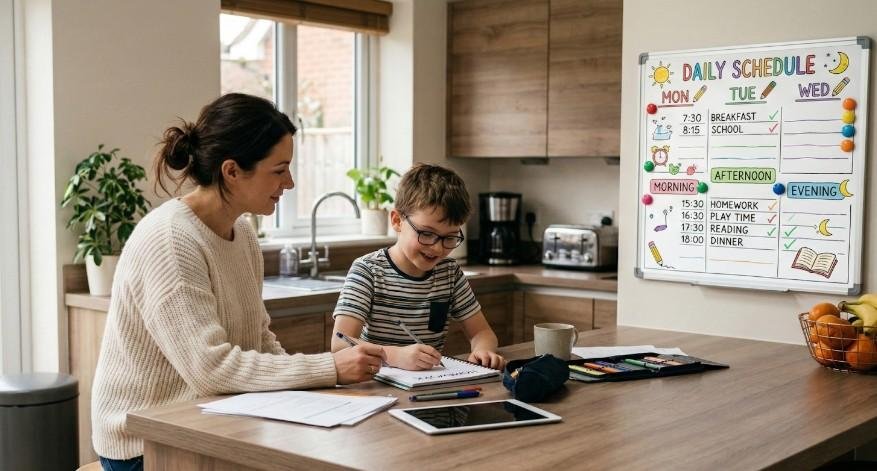
Regular connection routines make emotional conversations easier. Some families share daily reflections during dinner by discussing the best and hardest moments of the day. Others create short check in routines in the morning, after school, and before bedtime.
These consistent moments show children that their feelings matter. When emotional conversations become part of daily life, children grow comfortable discussing their experiences and challenges.
How To Practice Helping Kids Express Feelings Step By Step

Start by observing your child’s behavior during everyday situations. Notice moments when emotions appear strong such as frustration during homework or excitement while playing. Calmly describe what you see and suggest possible emotions so the child begins connecting feelings with words.
Next, encourage conversation through gentle questions. Ask whether they felt angry, disappointed, or worried about what happened. Give them time to think before answering. Children often need a moment to process their emotions before explaining them.
Finally guide them toward solutions and coping strategies. If they feel overwhelmed, suggest taking deep breaths, drawing a picture, or talking through the situation. Consistent practice of these steps strengthens emotional awareness and supports helping kids express feelings naturally over time.
Playful Activities to Build Emotional Skills
Children often learn emotional awareness best through play. Simple games can transform emotional learning into something engaging and memorable. These activities strengthen helping kids express feelings by making emotional vocabulary fun and interactive.
When emotions become part of play, children feel less pressure and more curiosity. They begin to explore feelings in a relaxed way that encourages communication and confidence.
| Activity | Age Group | Description |
| Feelings Charades | All Ages | Children act out emotions such as excitement or worry while others guess the feeling. |
| Mirror Play | Toddlers and Preschoolers | Children make facial expressions in a mirror to recognize what happy, sad, or angry looks like. |
| Sensory Bottles | Preschoolers and Elementary | Glitter jars or calm down bottles help children focus on breathing while emotions settle. |
| Feelings Wheel | Elementary and Teens | A visual chart helps children identify specific emotions such as jealousy, worry, or anxiety. |
| The 90 Second Rule | All Ages | Children learn that intense emotional waves usually pass within about ninety seconds when they breathe calmly and wait. |
When Should Parents Seek Additional Support?

Most emotional outbursts are a normal part of childhood development. However, extremely intense or frequent emotional reactions may indicate that a child needs additional support. If a child struggles to regulate emotions beyond the typical developmental stage, parents may consider professional guidance.
Experts recommend seeking support if emotional challenges interfere with school, friendships, or daily routines. Professionals such as child psychologists can provide strategies like cognitive behavioral therapy that help children build emotional regulation skills and strengthen helping kids express feelings in healthy ways.
Frequently Asked Questions
1. Why is helping kids express feelings important?
Helping kids express feelings teaches children how to understand and communicate their emotions instead of reacting impulsively. This skill improves relationships, builds confidence, and strengthens problem solving abilities. When children feel safe sharing emotions, they develop stronger emotional intelligence and resilience.
2. What age should children learn emotional vocabulary?
Children begin recognizing basic emotions during toddlerhood. Around age two to four they start identifying feelings like happiness, anger, or sadness. As they grow older, parents can expand emotional vocabulary with more specific terms such as frustration, disappointment, or excitement while continuing helping kids express feelings through daily conversations.
3. What if my child refuses to talk about emotions?
Some children feel uncomfortable discussing feelings directly. In those cases creative expression can help. Drawing pictures, storytelling, or role playing with toys allows children to communicate emotions indirectly. Over time these activities build trust and make emotional conversations easier.
4. Can helping kids express feelings reduce tantrums?
Yes, children who understand their emotions often manage frustration more calmly. When they can describe feelings like anger or disappointment, they are less likely to react through tantrums. Emotional language gives them healthier ways to communicate needs and solve problems.
Conclusion
Helping kids grow emotionally confident takes patience, consistency, and empathy. Helping kids express feelings is not about eliminating emotions but teaching children how to understand and communicate them in healthy ways. When parents label emotions, model healthy expression, and create safe conversations, children gradually develop emotional vocabulary and self awareness.